正在确认阅读权限…
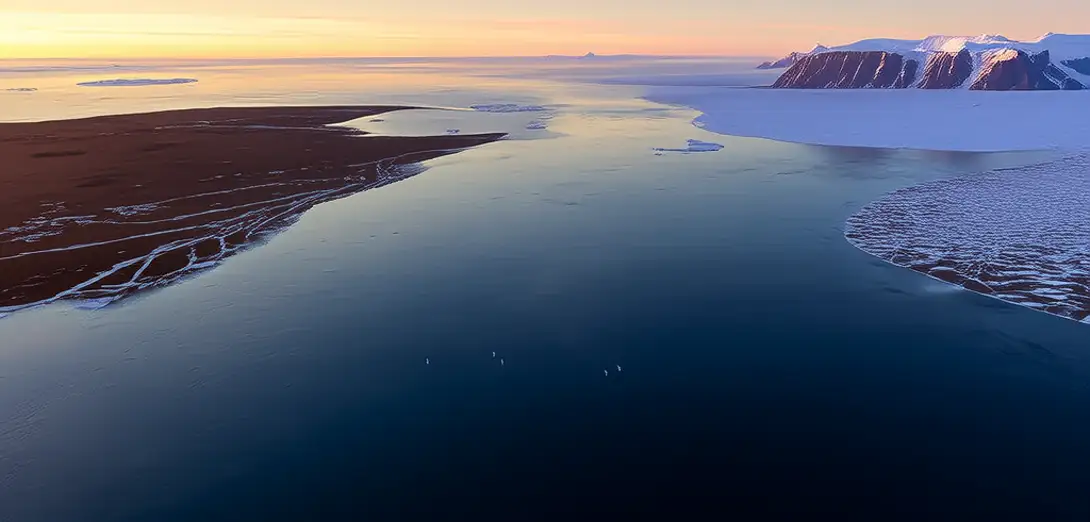
The Bering Strait: A Narrow Seaway Linking Oceans and Migratory Corridors
白令海峡:连接两洋与生物迁徙廊道的狭窄水道
-
Only 85 kilometers wide, the Bering Strait separates Russia and Alaska while linking the Pacific and Arctic Oceans.白令海峡仅宽85公里,分隔俄罗斯与阿拉斯加,同时连接太平洋与北冰洋。
-
Its shallow depth—less than 50 meters—allowed human and animal migrations during Pleistocene glacial low-sea stands.其浅水深度不足50米,使更新世冰期海平面降低时人类与动物得以迁徙。
-
Cold Arctic waters flow south while warmer Pacific waters move north, creating turbulent mixing zones rich in plankton.寒冷的北冰洋海水南下,温暖的太平洋海水北上,在此形成富含浮游生物的湍急混合区。
-
Gray whales travel 20,000 km annually through this corridor, feeding in Arctic shelves and calving in Mexican lagoons.灰鲸每年经此通道迁徙2万公里,于北极大陆架觅食,在墨西哥潟湖产仔。
-
Sea ice extent fluctuates dramatically, influencing shipping routes and marine mammal behavior each season.海冰范围季节性剧烈变化,影响航运路线及海洋哺乳动物行为。
-
Submarine canyons channel deep-water currents that affect regional ocean heat distribution and sea-level rise projections.海底峡谷引导深层洋流,影响区域海洋热量分布及海平面上升预测。
-
Indigenous communities rely on seasonal sea-ice platforms for hunting seals and walruses across dynamic frozen terrain.原住民依靠随季节变化的海冰平台,在动态冰面上猎捕海豹与海象。
-
Oil exploration and increased vessel traffic raise risks of spills in waters with limited response capacity and slow biodegradation.石油勘探与船舶交通增加,加剧了溢油风险——当地应急能力有限,污染物降解缓慢。
-
Tidal ranges exceed three meters here, exposing intertidal zones where clams and crabs support migratory shorebirds.此处潮差超三米,裸露的潮间带为蛤蜊与螃蟹提供栖息地,支撑候鸟生存。
-
Geopolitical boundaries cross ecologically unified marine space, demanding cooperative monitoring of shared species and habitats.地缘政治边界横跨生态连贯的海洋空间,亟需合作监测共有的物种与栖息地。