正在确认阅读权限…
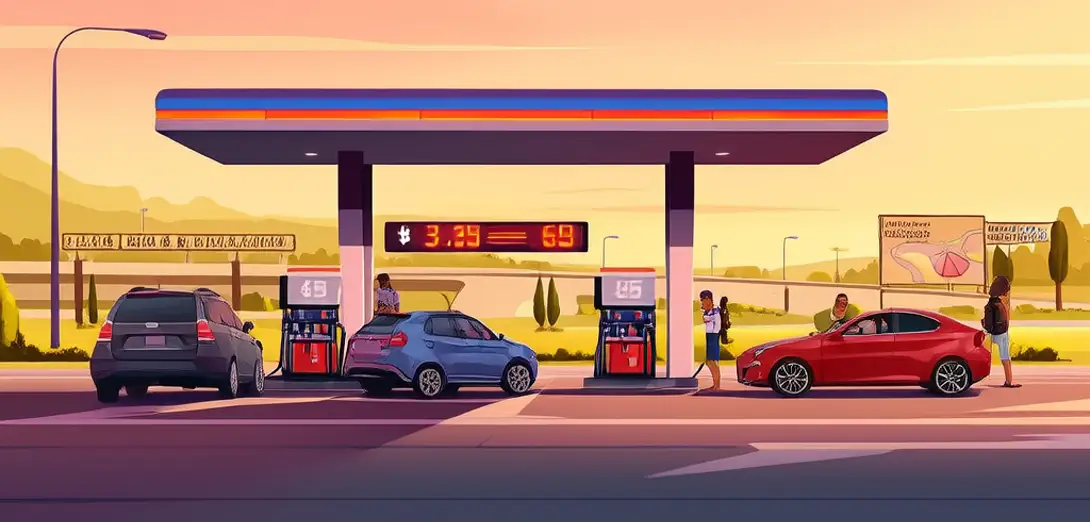
How Gas Prices Jump Before Holidays—Without New Laws or Wars
节假日前油价为何飙升?未必因战争或新法规
-
Gas prices rise before summer holidays not because oil suddenly runs out, but because traders expect more drivers on the road.夏季假期前油价上涨,并非因为石油突然枯竭,而是交易员预期届时驾车出行人数会增加。
-
Refineries switch to pricier 'summer blend' fuel in spring, which burns cleaner but costs more to make.炼油厂春季转产价格更高的‘夏季配方’燃油,这种燃油燃烧更清洁,但生产成本更高。
-
Traders watch weather forecasts closely—if a heatwave is predicted, they’ll buy oil futures early to lock in supply.交易员密切关注天气预报——若预测将出现热浪,他们会提前买入原油期货以锁定供应。
-
Even rumors about pipeline problems or refinery fires can move prices before any real shortage occurs.即便只是有关管道故障或炼油厂火灾的传言,也会在实际短缺发生前就推高油价。
-
U.S. gasoline markets are regional, so a storm in Texas affects Atlanta more than Anchorage—even though both use the same brand.美国汽油市场具有区域性,因此得克萨斯州的一场风暴对亚特兰大的影响远大于安克雷奇,尽管两地使用同一品牌汽油。
-
Taxes on gas vary by state, and local stations add different markups based on competition and rent costs.汽油税因州而异,加油站还会根据竞争状况和租金成本加收不同的差价。
-
Drivers often fill up earlier than needed when prices climb, pushing demand up further in a self-fulfilling cycle.油价上涨时,司机常提前加油,进一步推高需求,形成自我实现的循环。
-
Understanding this helps us avoid panic buying—and see that price swings reflect expectations as much as reality.理解这一点有助于我们避免恐慌性抢购,并意识到油价波动既反映现实,也反映预期。