正在确认阅读权限…
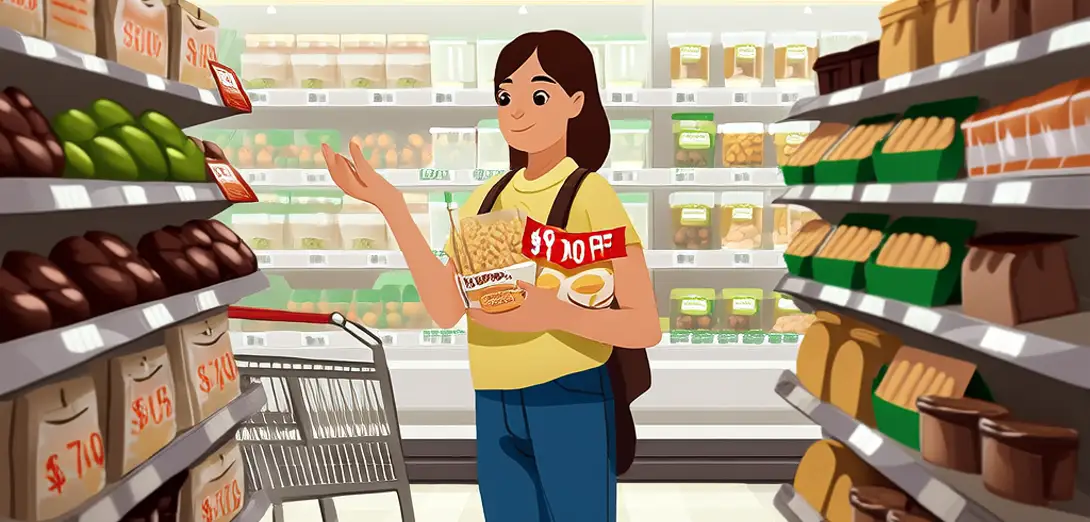
Why Your Grocery Bill Feels Higher—Even With Coupons
为什么即使有优惠券,菜价仍感觉更贵?
-
Stores often raise base prices slightly while offering bigger coupons—so the final cost looks unchanged, but margins improve.商家常小幅提高基础价格,同时发放更大额优惠券——最终价格看似不变,但利润空间扩大。
-
Shelf space is limited and expensive, so brands pay ‘slotting fees’ to appear at eye level, and those costs pass to shoppers.货架空间有限且昂贵,因此品牌需支付‘上架费’以获得视线高度的陈列位置,这部分成本最终转嫁给消费者。
-
Fewer competing brands mean less pressure to lower prices—even if production costs haven’t changed much.竞争品牌减少,降价压力随之减弱——即便生产成本并未显著变化。
-
Packaging sizes shrink slowly over time (‘shrinkflation’), so you pay the same for 10% less cereal or soap.包装规格随时间缓慢缩小(即‘缩水式通胀’),你花同样的钱买到的麦片或肥皂却少了10%。
-
Online grocery apps show personalized deals, but they also track your habits to suggest higher-margin items you’re likely to buy.线上生鲜App推送个性化优惠,同时也追踪你的购物习惯,向你推荐利润率更高、你更可能购买的商品。
-
Seasonal shortages—like bad weather harming tomato crops—push prices up fast, while surpluses drop them slowly and quietly.季节性短缺(如恶劣天气导致番茄减产)会迅速推高价格,而供过于求时价格却缓慢且悄然下降。
-
Many families now buy more ready-to-eat meals, which cost more per calorie but save time and reduce food waste.许多家庭如今更多购买即食餐,虽单位热量成本更高,但节省时间并减少食物浪费。
-
Tracking just three staple items each month reveals real trends better than memory—and helps spot when ‘sales’ aren’t really savings.每月只跟踪三种主食价格,比凭记忆更能准确把握真实趋势——也能及时发现所谓‘促销’其实并不省钱。