正在确认阅读权限…
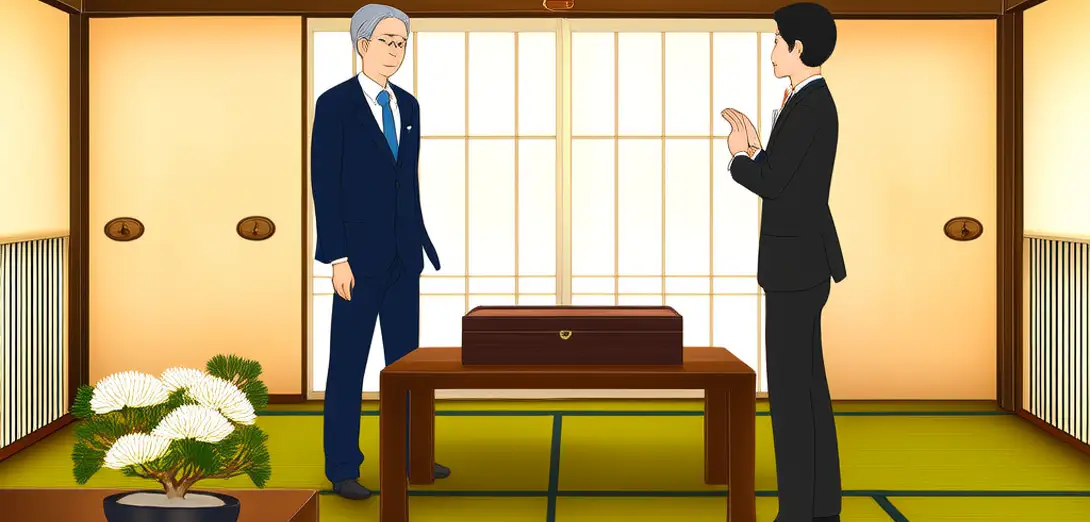
Batch-0017-037: The Silent Handshake in Japanese Supplier Onboarding
批次0017-037:日本供应商准入中的无声握手
-
Japanese business culture treats supplier onboarding not as a transactional checkpoint but as a relational covenant requiring mutual demonstration of trustworthiness over months.日本商业文化将供应商入驻视为一种关系契约,而非交易节点,需双方在数月间持续展现可信度。
-
The exchange of meishi—business cards—is performed with both hands, eye contact held, and a slight bow that signals respect for institutional seniority, not just individual rank.交换名片(meishi)时须双手奉上、保持目光接触,并微微鞠躬,以示对机构资历的尊重,而不仅是个体职级。
-
Initial meetings rarely discuss pricing or MOQs; instead, participants explore shared values like monozukuri philosophy, long-term stability, and collective accountability to supply chain integrity.初次会面极少讨论价格或最小起订量,而是探讨共同价值观,如‘制造哲学’、长期稳定性和对供应链完整性的集体责任。
-
Foreign vendors often misread prolonged silence during negotiations as hesitation, when it actually reflects careful internal consensus-building across hierarchical layers before verbal commitment.外国供应商常将谈判中的长时间沉默误读为犹豫,实则反映日方在层级结构内审慎达成内部共识后才作口头承诺。
-
Document revisions are never marked with red ink—a culturally loaded symbol of failure or death—but tracked via neutral-colored digital annotations with layered version control.文件修订绝不用红笔标注——这一颜色在日本文化中象征失败或死亡——而是通过中性色数字批注配合多层版本控制进行追踪。
-
Even after contract signing, the first three production batches undergo informal joint reviews at the supplier’s site, where technical alignment is assessed less through KPI dashboards than through observed workshop discipline and tacit coordination.即便签约后,首批三批生产仍需在供应商现场开展非正式联合评审,技术协同性评估更依赖车间纪律观察与默契配合,而非KPI仪表盘。