正在确认阅读权限…
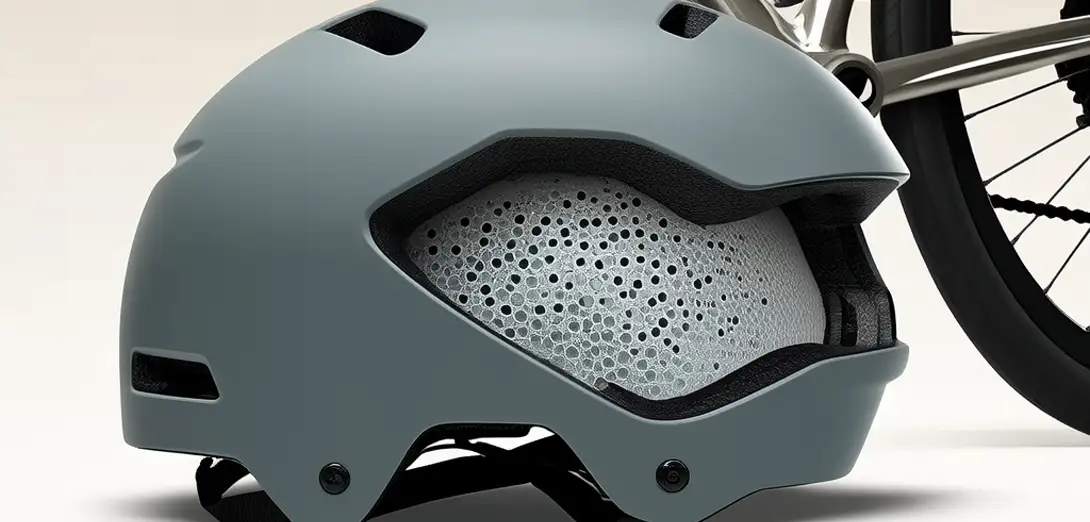
Why Bicycle Helmets Have Hidden Air Pockets
自行车头盔为何内置隐形气室
-
Helmets use expanded polystyrene (EPS) foam with millions of tiny closed-cell air pockets.头盔采用发泡聚苯乙烯(EPS)泡沫,内含数百万个微小的闭孔气囊。
-
On impact, these cells crush progressively to absorb kinetic energy over milliseconds.撞击时,这些气囊逐层压溃,在毫秒级时间内吸收动能。
-
The foam’s density is tuned so softer zones compress first, delaying skull acceleration.泡沫密度经过优化,使较软区域率先压缩,延缓颅骨加速度。
-
Ventilation channels double as structural ribs, guiding airflow while reinforcing shell strength.通风槽兼具结构加强筋功能,在引导气流的同时增强壳体强度。
-
Testing involves dropping helmets onto angled anvils at speeds simulating real crashes.测试时将头盔以模拟真实事故的速度,坠落至倾斜的砧板上。
-
Certified helmets reduce risk of brain injury by up to 85% compared to no helmet.经认证的头盔相比不戴头盔,可将脑损伤风险最多降低85%。
-
Some newer models add MIPS layers that allow slight rotational movement during oblique hits.部分新型号增加MIPS层,可在斜向撞击时允许轻微旋转运动。
-
After any crash—even if no damage is visible—the foam loses protective capacity and must be replaced.任何撞击后——即使外观无损——泡沫保护性能即已丧失,必须更换。