正在确认阅读权限…
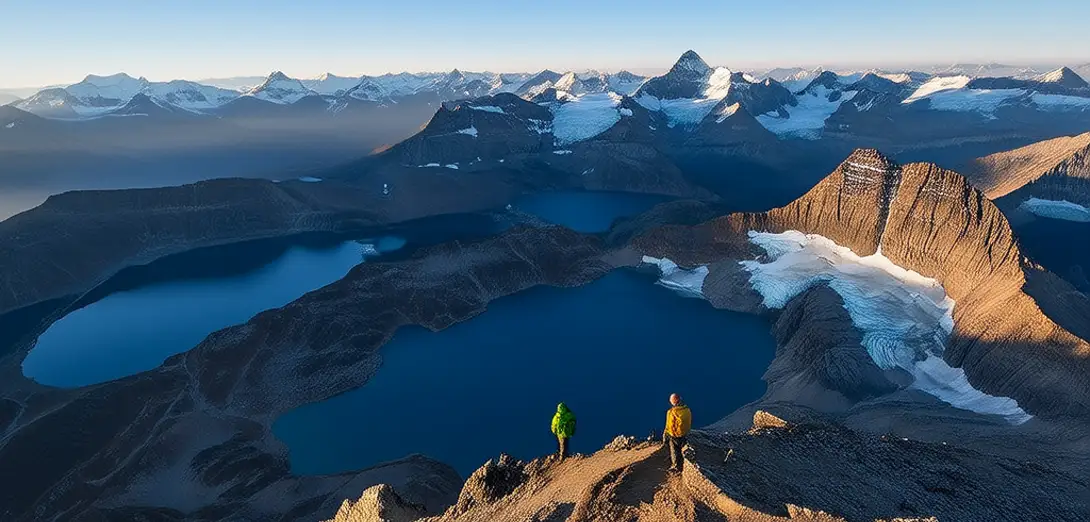
Why Himalayan Glacier Lake Expansion Triggers Cascading Hydrological Reconfiguration Across Transboundary Basins
喜马拉雅冰川湖扩张为何引发跨流域水文系统的级联式重构
-
Landsat time-series data show GLOF-prone lakes in Bhutan and Nepal expanded 37% in surface area between 1990 and 2022, accelerating post-2010.Landsat时间序列数据显示,1990至2022年间,不丹和尼泊尔易发冰湖溃决洪水(GLOF)的湖泊表面积扩大了37%,且2010年后增速加快。
-
This growth alters downstream flow regimes not only through sudden outburst floods but via persistent baseflow attenuation in tributaries feeding the Kosi and Gandaki rivers.这种增长不仅通过突发的溃决洪水,还通过持续削弱注入科西河和甘达基河支流的基流,改变了下游的径流模式。
-
Hydrological modeling indicates lake expansion reduces sediment transport capacity by 22%, triggering upstream aggradation and downstream incision within the same watershed.水文模型表明,湖泊扩张使泥沙输运能力降低22%,导致同一流域内上游淤积、下游下切。
-
Nepali hydropower operators report increased turbine abrasion and unexpected flow reversals during monsoon transitions—phenomena unaccounted for in original dam design parameters.尼泊尔水电运营商报告称,季风转换期间水轮机磨损加剧,并出现意外的水流倒转现象——这些现象在大坝原始设计参数中未予考虑。
-
Cross-border water-sharing agreements remain silent on lake-mediated flow redistribution, creating legal ambiguity when flows diminish in Bihar despite upstream glacial melt increase.跨境水资源共享协议未涉及湖泊调节的径流再分配问题,导致上游冰川融水增加而比哈尔邦径流量却减少时出现法律模糊性。
-
Local communities in Sikkim and Arunachal Pradesh now distinguish between 'old water' (glacier-fed, cold, mineral-rich) and 'new water' (lake-mixed, warmer, turbid), altering ritual bathing practices.
-
GIS analysis links lake growth directly to reduced groundwater recharge in mid-elevation valleys where springs once sustained year-round agriculture.GIS分析表明,湖泊扩张直接源于中海拔河谷地下水补给减少,而这些河谷曾依靠泉水维持全年农业。
-
The cascading effect extends beyond hydrology: altered river morphology reshapes floodplain biodiversity and shifts traditional fishing zones mapped in oral cartographies.级联效应不仅限于水文学:河流形态的改变重塑了洪泛区生物多样性,并使口述地图中记载的传统渔区发生变迁。
-
Regional monitoring networks lack standardized protocols for tracking lake-induced channel migration—leaving infrastructure vulnerability assessments incomplete.区域监测网络缺乏追踪湖致河道迁移的标准协议,导致基础设施脆弱性评估不完整。
-
This reconfiguration challenges the very notion of 'basin sovereignty', as hydrological boundaries dissolve faster than political ones can adapt.这种重新配置挑战了‘流域主权’这一概念本身,因为水文边界消融的速度快于政治边界适应的速度。
-
Scientific discourse increasingly frames glacier lakes not as static reservoirs but as dynamic, geomorphically active agents reshaping trans-Himalayan water governance.科学论述日益将冰川湖视为动态的、地貌活跃的要素,而非静态水库,从而重塑跨喜马拉雅地区的水资源治理。
-
Field ethnographies document how elders reinterpret centuries-old monsoon proverbs in light of observed lake-driven flow unpredictability.田野民族志记录了长者如何根据观测到的湖泊驱动径流的不可预测性,重新诠释已有数百年历史的季风谚语。