正在确认阅读权限…
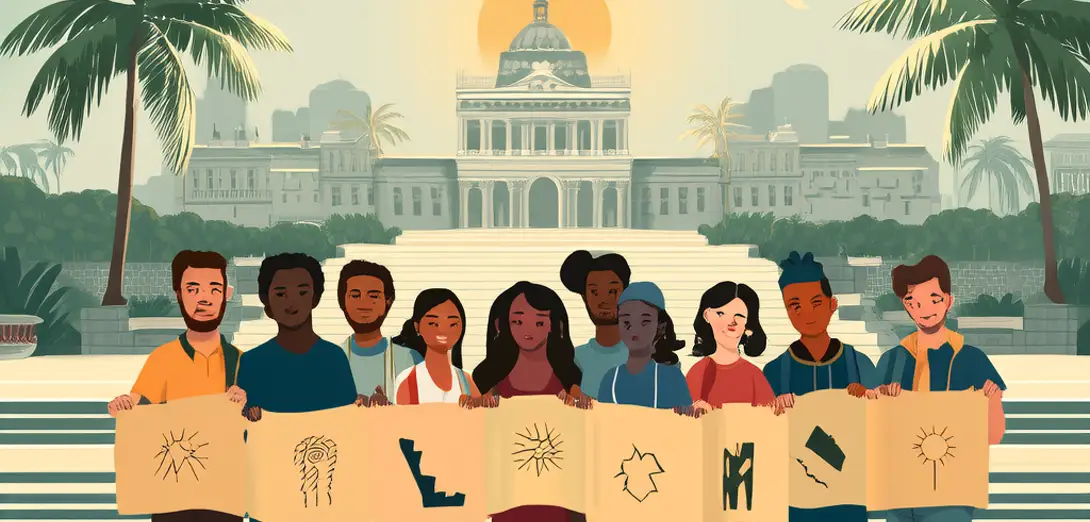
Decolonization After World War II: Independence Movements Rise
二战后的非殖民化:独立运动风起云涌
-
After 1945, colonies in Asia, Africa, and the Caribbean demanded freedom from European empires.1945年后,亚洲、非洲和加勒比地区的殖民地纷纷要求摆脱欧洲帝国统治,争取独立。
-
Leaders like Gandhi in India, Nkrumah in Ghana, and Ho Chi Minh in Vietnam united people through nonviolent protest or armed struggle.印度的甘地、加纳的恩克鲁玛、越南的胡志明等领导人,通过非暴力抗议或武装斗争团结民众。
-
New nations faced huge challenges—drawing borders, building schools, managing diverse languages and religions.新兴国家面临巨大挑战:划定边界、兴办学校、协调多语言与多宗教社会。
-
Cold War tensions sometimes turned independence fights into proxy conflicts between superpowers.冷战紧张局势有时使独立运动演变为超级大国之间的代理人冲突。
-
The United Nations supported self-determination, and dozens of new member states joined within twenty years.联合国支持民族自决,二十年内数十个新成员国加入。
-
Economies often stayed tied to former rulers through trade deals and currency systems.许多经济体仍通过贸易协定和货币体系与前宗主国保持紧密联系。
-
Young people led student movements demanding faster reform, land rights, and true sovereignty.青年学生发起运动,要求加快改革、落实土地权利、实现真正主权。
-
Decolonization did not end global inequality—but it opened space for new identities, policies, and international partnerships.去殖民化并未终结全球不平等,却为新的身份认同、政策实践和国际合作开辟了空间。