正在确认阅读权限…
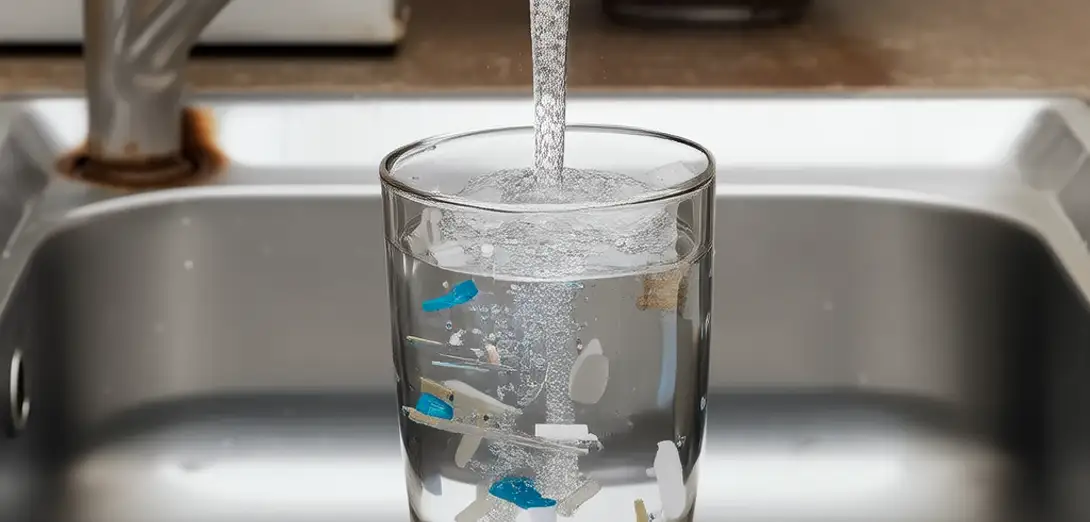
How Water Filters Remove Microplastics—and Why That Matters
净水器如何去除微塑料,以及这为何重要
-
Microplastics—tiny plastic fragments under 5 mm—enter tap water through pipes and environmental runoff.微塑料——直径小于5毫米的微小塑料碎片——通过管道和环境径流进入自来水。
-
Activated carbon filters trap many organic pollutants, but they don’t catch all microplastic particles.活性炭滤芯能吸附多种有机污染物,但无法截留全部微塑料颗粒。
-
Advanced filters combine ceramic layers, nanofibers, and electrostatic charges to capture particles as small as 0.1 microns.高级滤芯结合陶瓷层、纳米纤维和静电荷,可捕获小至0.1微米的颗粒。
-
Independent labs test filter performance using standardized particle suspensions and flow-rate controls.独立实验室采用标准颗粒悬浮液和流量控制来测试滤芯性能。
-
Removal efficiency varies: some systems eliminate over 99% of tested microplastics, others far less.去除效率差异显著:部分系统可清除99%以上的受试微塑料,其余则低得多。
-
Engineers must balance filtration power with water pressure loss and filter replacement frequency.工程师需在过滤效能、水压损失及滤芯更换频率之间取得平衡。
-
Long-term health effects of ingested microplastics remain uncertain, so precautionary design is key.摄入微塑料的长期健康影响尚不明确,因此预防性设计至关重要。
-
This intersection of environmental chemistry, mechanical engineering, and public health drives safer home tech.环境化学、机械工程与公共卫生的交叉融合,正推动更安全的家用净水技术发展。