正在确认阅读权限…
The Inkwell Threshold: Manuscript Veneration and Archival Silence in Ethiopian Orthodox Scriptoria
墨池界线:埃塞俄比亚正教抄经室中的手稿崇敬与档案静默
-
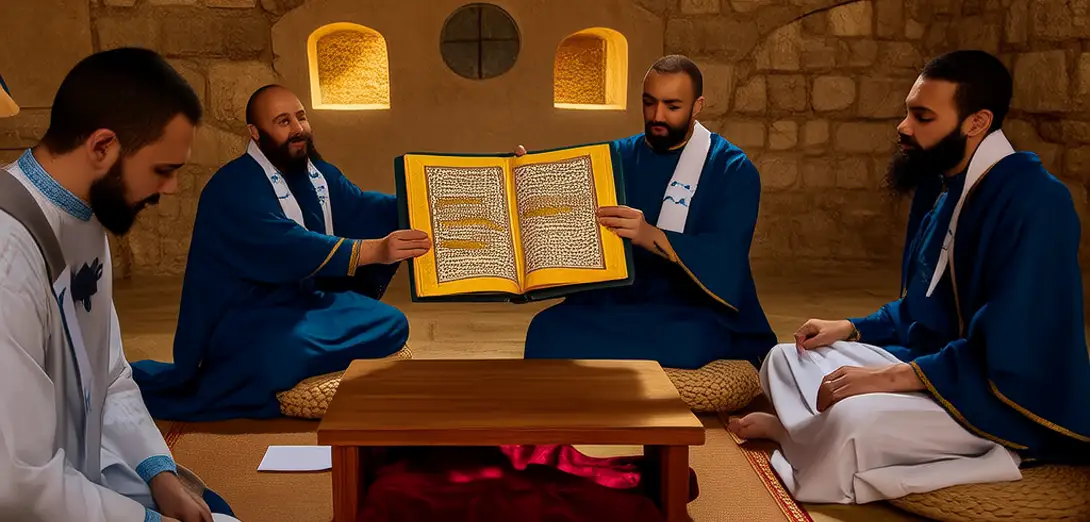
Ethiopian Orthodox scribes maintain a centuries-old protocol where unbound Gospel manuscripts are never placed directly on wooden surfaces.埃塞俄比亚正统教会抄经士恪守数百年传统:未装订的福音书手稿绝不可直接置于木质表面。
-
Before handling sacred texts, practitioners rinse hands three times while reciting Psalm 51 in Ge'ez, acknowledging ritual purity as intellectual discipline.接触圣典前,修行者须以吉兹语诵念《诗篇》第51篇,并净手三次,视礼仪洁净为智性修持。
-
Each inkwell is calibrated to hold precisely 47 milliliters—a volume tied to liturgical numerology rather than practical convenience.每只墨水瓶容量精确为47毫升——此数值源于礼仪数字学,而非实用考量。
-
Scribes pause for ninety seconds between folios, not for rest but to let pigment settle metaphysically within the parchment’s fiber matrix.抄写员在页码间停顿九十秒,并非为休憩,而是让颜料在羊皮纸纤维基质中‘形而上’地沉淀。
-
No digital reproduction may be initiated until the original has undergone three days of incense-mediated 'breathing' in the monastery’s north-facing chamber.未经原稿在修道院朝北密室中经熏香‘呼吸’三日,不得启动任何数字复制。
-
This temporal suspension resists accelerationist logic, treating transcription as ontological participation rather than information transfer.这种时间悬置抗拒加速逻辑,将抄写视为本体论参与,而非信息传递。
-
Manuscripts travel only in cedar boxes lined with undyed sheepskin, their weight distribution mirroring the hierarchical seating of the Holy Synod.手稿仅以雪松木箱运送,内衬未染色绵羊皮,其重量分布对应圣主教会议的等级座序。
-
Even conservation specialists must undergo six months of liturgical apprenticeship before touching illuminated margins with synthetic brushes.即便修复专家,也须完成六个月礼仪学徒期,方可用合成刷触碰彩绘边栏。
-
The silence observed during copying exceeds acoustic quiet—it enacts a grammatical subjunctive, holding meaning in potential rather than assertion.抄写时所守之静,远超声学意义上的寂静——它践行一种语法虚拟式,使意义存于潜能而非断言之中。
-
Each completed codex receives its first public reading only after being carried barefoot across seven stone thresholds at dawn.每部完成的抄本,须于黎明赤足跨越七道石阶后,方可首次公开诵读。
-
This practice reconfigures preservation as embodied covenant, not archival neutrality or technological fidelity.此举将保存重构为具身盟约,而非档案中立或技术保真。
-
The scriptorium thus functions less as workshop than as theological interface where ink, breath, and threshold jointly constitute authority.因此,抄经室与其说是作坊,不如说是神学界面——墨、气息与门槛共同构成权威。