正在确认阅读权限…
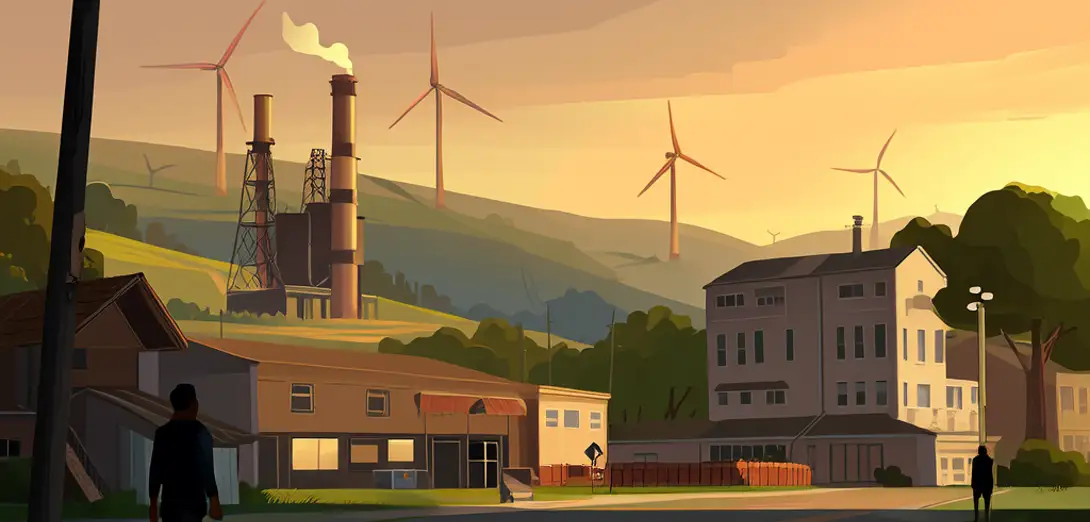
Energy Transitions Aren’t Just Technical — They’re Distributional and Political
能源转型不仅是技术升级:它更是利益分配与政治协商过程
-
Switching from coal to wind farms reduces emissions — but closing a plant reshapes entire towns, altering tax bases, school enrollments, and local service viability.从煤炭转向风电可减少排放,但关停电厂会重塑整个城镇,改变税基、学生人数和本地公共服务的可持续性。
-
Subsidies for solar panels benefit homeowners with rooftops and credit — yet renters and low-income households often miss out unless programs include community solar or bill assistance.太阳能板补贴惠及拥有屋顶和信贷资质的房主,而租户和低收入家庭往往被排除在外,除非政策纳入社区太阳能或电费援助。
-
Grid modernization requires massive investment — but rate hikes hit fixed-income households hardest, raising equity questions about who bears transition costs.电网现代化需巨额投资,但电价上涨对固定收入家庭冲击最大,引发谁该承担转型成本的公平性质疑。
-
Energy policy intersects with labor markets: retraining coal miners for grid maintenance or battery recycling demands coordinated education, certification, and placement systems.能源政策与劳动力市场紧密交织:为煤矿工人转岗培训电网运维或电池回收,需统筹教育、认证与就业安置体系。
-
Geopolitical shifts follow energy moves: reduced oil imports strengthen energy security but weaken diplomatic leverage tied to petroleum trade relationships.能源格局变动引发地缘政治调整:减少石油进口提升能源安全,却削弱了依托石油贸易关系的外交影响力。
-
Local opposition to transmission lines or offshore wind farms often stems not from climate denial, but concerns about land use, visual impact, and fair compensation.民众反对输电线路或海上风电场,常非出于气候否认,而是担忧土地使用、视觉影响及补偿是否公平。
-
Decentralized generation — rooftop solar, microgrids — empowers communities but challenges traditional utility business models built on centralized control and scale.分布式发电(如屋顶光伏、微电网)赋能社区,却挑战了传统电力公司依赖集中管控与规模效应的商业模式。
-
Carbon pricing works economically — yet political feasibility depends on how revenues are recycled: dividends to households offset regressive impacts and build broad support.碳定价在经济上有效,但其政治可行性取决于收入如何再分配:向居民发放红利可缓解累退效应并赢得广泛支持。
-
Just transition frameworks now guide policy: ensuring affected workers retain dignity, income, and voice — not just retraining promises disconnected from local economic reality.公正转型框架正指导政策制定:确保受影响劳动者保有尊严、收入与话语权,而非仅空谈脱离地方经济现实的再培训承诺。
-
International climate finance commitments reflect accountability — wealthy nations funding clean infrastructure in developing economies where growth demand meets legacy emissions.国际气候资金承诺体现责任担当:发达国家出资支持发展中国家建设清洁能源基础设施,以兼顾增长需求与历史排放责任。
-
Technical solutions exist — but implementation succeeds only when distributional fairness, procedural justice, and intergenerational responsibility anchor decision-making.技术方案已然存在,但落地成功与否,取决于决策是否以分配公平、程序正义和代际责任为根基。
-
Energy transitions reveal economics as deeply human: every megawatt installed carries stories of livelihoods, landscapes, and power — redistributed, not eliminated.能源转型揭示经济学本质是人文的:每兆瓦装机背后,都是生计、景观与权力的重新分配,而非简单消除。