正在确认阅读权限…
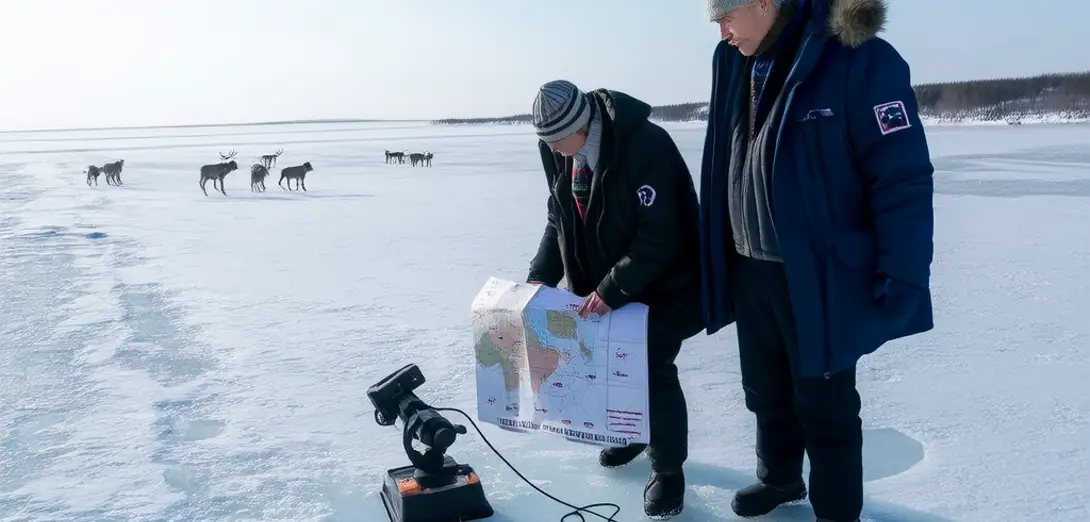
The Ice Road Economy of Lake Baikal — Seasonal Sovereignty, Frozen Logistics, and Indigenous Resource Stewardship
贝加尔湖冰路经济——季节性主权、冻土物流与原住民资源治理
-
Each January, Buryat herders and Russian engineers jointly map Baikal’s ice thickness using seismic sensors and ancestral snow-depth lore—determining which routes become sovereign corridors and which remain ecologically off-limits.每年一月,布里亚特牧民与俄罗斯工程师共同利用地震传感器和世代相传的积雪深度经验,测绘贝加尔湖冰层厚度,以此确定哪些路线成为主权通道,哪些区域因生态保护需要而禁止通行。
-
Truck convoys don’t follow GPS but Buryat star charts cross-referenced with ice-crack acoustics, treating sound propagation as real-time structural intelligence more reliable than satellite data.卡车车队不依赖GPS,而是参照布里亚特星图,并结合冰裂声学数据导航;他们将声音传播视为实时结构情报,其可靠性高于卫星数据。
-
Fuel depots along the ice road operate under dual licensing: federal permits plus Buryat clan consent certificates that expire if winter grazing patterns shift unexpectedly.冰路沿线的燃料补给站实行双重许可制:既需联邦政府颁发许可证,也须获得布里亚特氏族签署的同意证书;若冬季放牧模式突发变化,该证书自动失效。
-
Indigenous ice-reading specialists earn fees per ton transported—not as consultants but as co-signatories on cargo manifests, bearing legal liability for route safety alongside transport firms.原住民冰情研判专家按运输吨位收费——并非以顾问身份,而是作为货物运单联合签署人,与运输公司共同承担路线安全的法律责任。
-
When warming thins ice prematurely, Buryat councils invoke ‘cold sovereignty’ clauses to halt traffic, triggering automatic insurance payouts tied to indigenous weather observatory data—not meteorological agency reports.当气候变暖导致冰层过早变薄时,布里亚特议事会援引‘寒权’条款暂停交通,由此触发的保险赔付直接关联原住民气象观测站数据,而非官方气象机构报告。
-
Frozen lake surfaces host mobile clinics and school modules towed by reindeer teams, proving infrastructure mobility doesn’t require asphalt—only predictable thermal regimes and communal forecasting.封冻湖面承载着由驯鹿队牵引的移动诊所与学校模块,证明基础设施的流动性无需沥青路面,只需可预测的热力周期与集体天气预判。
-
Lake-bottom methane monitoring stations are maintained by youth trained in both quantum sensor calibration and shamanic ice-spirit protocols, merging measurement precision with ontological responsibility.湖底甲烷监测站由青年维护,他们既接受量子传感器校准培训,也习得萨满冰灵仪式规程,将测量精度与本体论责任融为一体。
-
Cargo manifests include ‘cultural freight’ line items: ceremonial drums, fermented mare’s milk, and birch-bark manuscripts—all exempt from customs duties but subject to ritual inspection at ice-bound checkpoints.货运单中设有‘文化货物’条目:仪式用鼓、发酵马奶、桦树皮手稿——均免征关税,但在冰上检查站须接受仪式性查验。
-
This economy treats seasonality not as constraint but as contractual architecture—where sovereignty, logistics, and stewardship are renegotiated annually through thaw-line surveys and consensus-based freeze-date declarations.这一经济体系视季节性非为限制,而为契约架构:主权、物流与守护责任每年通过融冰线勘测与共识达成的封冻日宣告重新协商。
-
International shipping firms now charter Buryat ice navigators for Arctic projects, paying royalties into language revitalization funds because linguistic precision enables ecological accuracy.国际航运公司如今聘请布里亚特冰路领航员参与北极项目,并向语言复兴基金支付版税,因语言精确性直接支撑生态判断的准确性。
-
The ice road dissolves each spring, yet its governance persists: summer assemblies review winter data, adjusting next year’s load limits based on elder testimony, sonar maps, and lichen growth patterns.冰路每年春融消散,但其治理体系持续运转:夏季集会复盘冬季数据,依据长者证言、声呐图谱与地衣生长模式调整来年载重限额。
-
Here, climate adaptation isn’t reactive—it’s ritualized, quantified, and jointly authored across epistemological boundaries, with frozen water serving as both highway and ledger.在此地,气候适应并非被动响应,而是经仪式化、量化、跨知识体系共构的过程——冰封之水既是通途,亦是账册。