正在确认阅读权限…
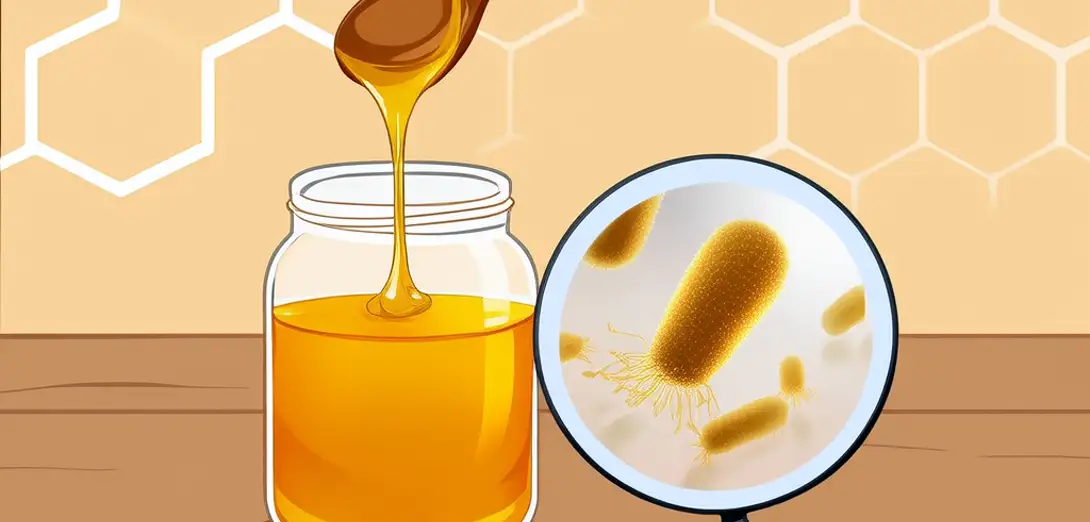
Why Honey Never Spoils Due to Low Water Activity and Natural Enzymes
蜂蜜永不腐败的原因:低水分活度与天然酶协同作用
-
Honey resists spoilage because its sugar concentration creates extremely low water activity, starving microbes of usable moisture.蜂蜜不易变质,因其高糖浓度导致水分活度极低,使微生物无法获取可利用的水分。
-
Bees add glucose oxidase enzyme to nectar, which produces hydrogen peroxide—a mild antiseptic that inhibits bacteria.蜜蜂将葡萄糖氧化酶加入花蜜,生成过氧化氢——一种温和的抗菌剂,可抑制细菌生长。
-
Its acidic pH, usually between 3.2 and 4.5, further blocks pathogen growth and enzyme breakdown.其酸性pH值(通常为3.2–4.5)进一步阻碍病原体繁殖和酶解反应。
-
Ancient jars of honey found in Egyptian tombs remain edible after over three thousand years.古埃及墓葬中发现的蜂蜜罐,历经三千多年仍可食用。
-
Crystallization does not indicate spoilage; it’s just natural glucose separation and fully reversible.结晶并非变质,只是葡萄糖自然析出,完全可逆。
-
Modern food scientists replicate this preservation logic in shelf-stable sauces and fruit concentrates.现代食品科学家借鉴这一原理,开发出常温稳定的酱料和果味浓缩汁。
-
The enzymes deactivate when heated above 60°C, explaining why raw honey retains more benefits.该酶在60°C以上失活,因此生蜂蜜保留更多活性成分。
-
Pollen traces in honey also serve as forensic markers for geographic origin and floral source.蜂蜜中的花粉痕迹还可作为溯源依据,用于判定产地与蜜源植物。
-
Even diluted honey maintains antimicrobial effects better than artificial preservatives in wound dressings.即使稀释后,蜂蜜的抗菌效果仍优于伤口敷料中的人工防腐剂。
-
It remains one of nature’s most elegant examples of multi-layered, chemistry-driven preservation.它堪称自然界最精妙的多层化学防腐范例之一。