正在确认阅读权限…
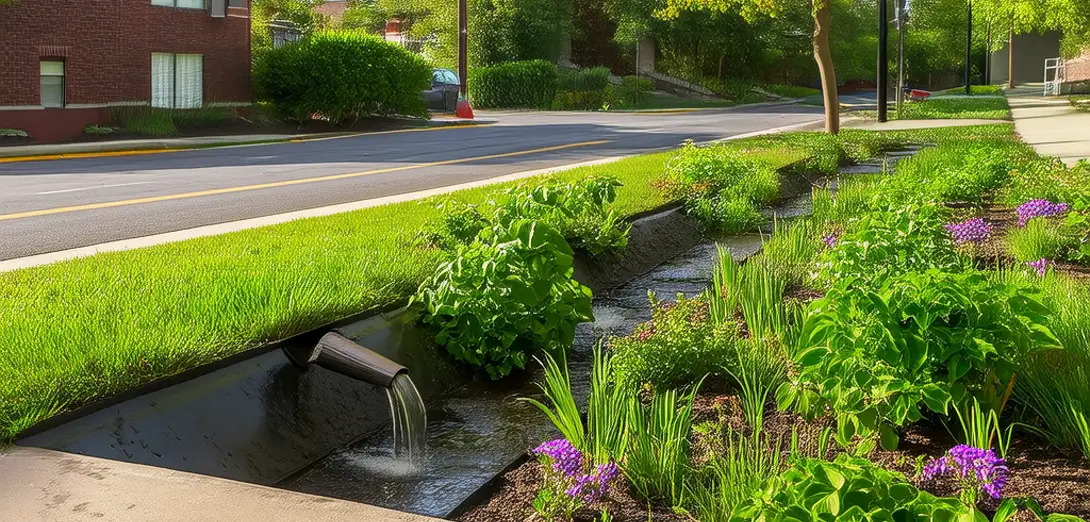
How Rain Gardens Clean Urban Runoff Naturally
雨水花园如何自然净化城市径流
-
Rain gardens are shallow, planted depressions designed to capture stormwater from roofs and pavements.雨水花园是浅层种植洼地,用于收集屋顶和路面的雨水。
-
Native plants with deep roots slow water flow and filter pollutants like oil, fertilizer, and heavy metals.具有深根系的本土植物可减缓水流速度,并过滤油污、化肥和重金属等污染物。
-
Soil microbes break down harmful chemicals before water seeps into groundwater or nearby streams.土壤微生物在雨水渗入地下水或附近溪流前分解有害化学物质。
-
Unlike concrete drains, rain gardens reduce flooding risk by absorbing excess rainfall gradually.与混凝土排水沟不同,雨水花园通过逐步吸收过量降雨来降低洪涝风险。
-
Cities install them along sidewalks, parking lots, and school grounds to manage runoff sustainably.城市在人行道、停车场和校园等地建设雨水花园,以可持续方式管理径流。
-
Designers choose drought-tolerant species so the garden thrives whether it rains heavily or not at all.设计师选用耐旱植物,确保花园在暴雨或长期无雨时均能茁壮生长。
-
Community volunteers often maintain them, turning infrastructure into shared green spaces.社区志愿者常参与维护,将基础设施转化为共享绿色空间。
-
Studies show well-designed rain gardens remove over 90% of suspended solids and half the nitrogen compounds.研究表明,设计良好的雨水花园可去除90%以上的悬浮物及一半的氮化合物。