正在确认阅读权限…
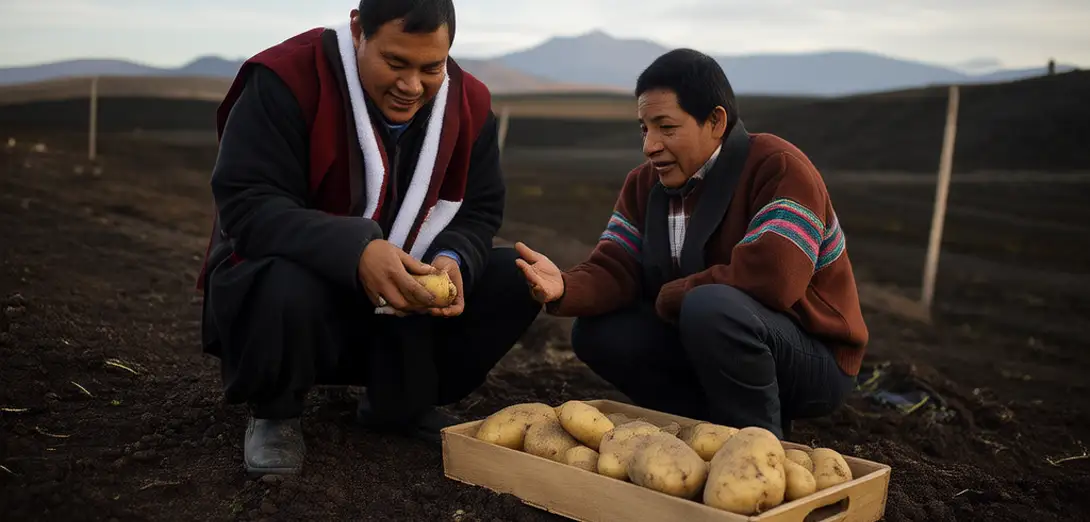
Batch-0027-049: Soil pH Buffering Capacity and Andean Potato Variety Selection Rituals
批次0027-049:安第斯土壤pH缓冲能力与马铃薯品种选择仪式
-
Quechua farmers in the Peruvian altiplano select potato varieties not by yield potential alone but by their rhizosphere pH buffering response to volcanic ash–rich soils.秘鲁高原的克丘亚农民选择马铃薯品种,不仅看产量潜力,更看重其根际pH缓冲能力对富含火山灰土壤的响应。
-
Seed tuber placement in ceremonial furrows follows soil titration results—measured using fermented quinoa husk leachate as a natural pH indicator.种薯在仪式性垄沟中的摆放位置,依据土壤滴定结果确定——滴定所用指示剂为发酵藜麦壳浸出液,是一种天然pH指示剂。
-
Varieties like 'Huayro' are planted where bicarbonate saturation exceeds 85% because their root exudates stabilize aluminum solubility below phytotoxic thresholds.‘瓦伊罗’等品种种植于重碳酸盐饱和度超过85%的地块,因其根系分泌物可将铝溶解度稳定在植物毒性阈值以下。
-
Soil microbiome assays confirm that ritual crop rotation sequences maintain nitrifying bacteria populations essential for ammonium-to-nitrate conversion in acidic substrates.土壤微生物组检测证实,仪式性轮作序列能维持硝化细菌种群,这对酸性基质中铵态氮向硝态氮转化至关重要。
-
The timing of planting ceremonies coincides with pre-rainy season soil moisture levels that maximize cation exchange capacity—critical for potassium retention in weathered andosols.播种仪式的时间与雨季前土壤湿度峰值同步,此时阳离子交换容量最大,对风化安山土中钾素保持尤为关键。
-
Anthropological soil cores show distinct stratigraphic layers corresponding to historical variety shifts aligned with documented volcanic eruptions altering regional pH profiles.人类学土壤岩芯显示清晰的地层分界,对应历史上因火山喷发改变区域pH而引发的品种更替。
-
Contemporary agronomists now map ‘buffering resilience zones’ using the same elevation-contoured fields designated for specific ritual varieties.当代农学家如今利用同一套按海拔等高线划分、专用于特定仪式品种的田块,绘制‘缓冲韧性区’地图。
-
Seed blessing rites involve ash mixing—volcanic glass particles physically enhance soil buffer capacity while symbolically acknowledging geological agency.种子祝福仪式包含混入火山灰——火山玻璃颗粒既物理增强土壤缓冲能力,也象征性地承认地质作用力。
-
Farmers assess varietal suitability by observing leaf chlorosis patterns after controlled acid rain simulation using fermented chicha residue.农民通过观察发酵奇恰残渣模拟酸雨后叶片失绿模式,评估品种适应性。
-
Genomic studies reveal selection pressure on genes regulating organic acid secretion—traits directly tied to soil chemical behavior, not just disease resistance.基因组研究揭示,自然选择压力集中于调控有机酸分泌的基因——这些性状直接关联土壤化学行为,而不仅关乎抗病性。
-
These rituals encode multi-decadal soil chemistry monitoring, transforming agronomy into intergenerational geochemical record-keeping.这些仪式承载着长达数十年的土壤化学监测,将农艺实践转化为代际传承的地球化学档案。
-
Thus, the harvest festival’s seed exchange functions as decentralized quality control for agro-ecological adaptation.因此,丰收节的种子交换实为一种去中心化的质量管控机制,服务于农业生态适应。