正在确认阅读权限…
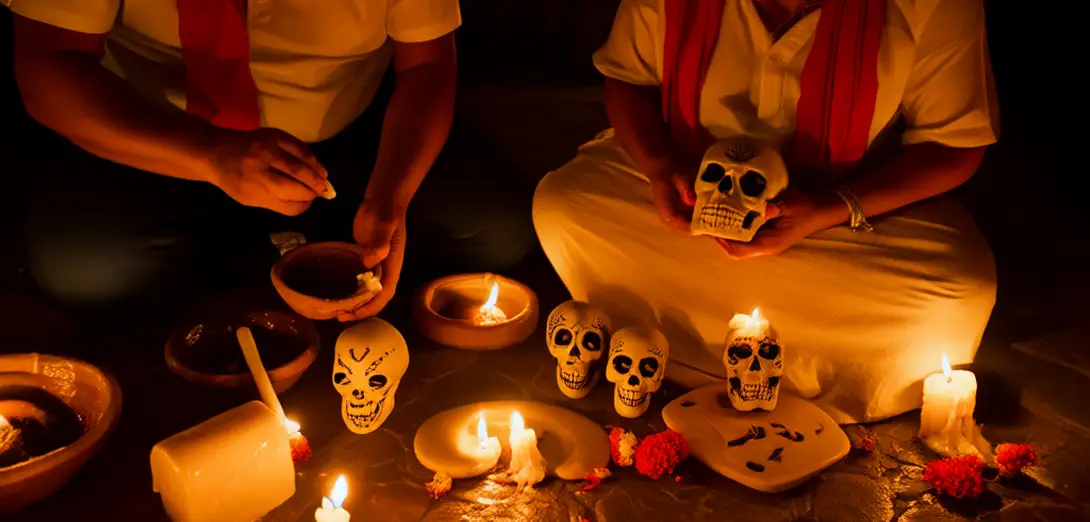
Batch-0027-014: Phase Transition Hysteresis and Ceremonial Wax Modeling in Mexican Day of the Dead Altar Construction
批次0027-014:相变迟滞效应与墨西哥亡灵节祭坛蜡塑工艺
-
Mexican altar builders select specific beeswax blends whose melting-point hysteresis enables precise sculptural fidelity during nocturnal candlelit vigils.墨西哥祭坛建造者选用特定蜂蜡混合物,其熔点滞后效应确保夜间烛光守夜时雕塑细节精准再现。
-
The wax’s thermal memory—retaining shape across diurnal temperature swings—mirrors regional microclimate patterns in Michoacán highlands.蜡的热记忆特性——能在昼夜温差中保持形状——映射了米却肯高原地区的区域微气候模式。
-
Artisans calibrate pour timing not by clock but by observing crystallization nucleation fronts under low-angle amber light.工匠不靠钟表计时浇注,而是借助低角度琥珀色光观察结晶成核前沿来把握时机。
-
This embodied thermodynamics contrasts sharply with industrial paraffin alternatives that fracture under identical ritual handling stress.这种具身化的热力学特性,与在同等仪式操作应力下易碎裂的工业石蜡形成鲜明对比。
-
Altar stability depends less on structural reinforcement than on wax’s latent heat absorption during sudden humidity shifts at dusk.祭坛稳定性更多取决于蜡在黄昏湿度骤变时吸收潜热的能力,而非结构加固。
-
Each layer’s cooling rate is empirically tuned to match ancestral calendrical intervals encoded in Purépecha agrarian cycles.每一层冷却速率均依经验调校,以契合普雷佩查农耕周期中蕴含的祖先历法间隔。
-
Contemporary restorers now use differential scanning calorimetry to benchmark historical wax formulations against climate-shifted local apiary outputs.当代修复师现采用差示扫描量热法,将历史蜡料配方与受气候变化影响的本地蜂场产出进行基准比对。
-
The ritual’s temporal architecture thus embeds material science as silent liturgical grammar rather than decorative afterthought.因此,该仪式的时间结构将材料科学内化为无声的礼仪语法,而非装饰性附庸。
-
Wax degradation kinetics—measured via FTIR carbonyl index tracking—directly inform annual renewal protocols across Oaxacan villages.蜡的老化动力学——通过傅里叶变换红外光谱羰基指数追踪测定——直接指导瓦哈卡各村年度更新规程。
-
This practice reframes phase transitions not as abstract physics but as intergenerational negotiation with environmental volatility.这一实践将相变重构为代际间与环境波动的协商过程,而非抽象物理现象。
-
Even minor atmospheric pressure fluctuations alter wax’s solidification gradient, requiring real-time artisanal recalibration during multi-day ceremonies.即便微小的大气压波动也会改变蜡的凝固梯度,要求工匠在持续数日的仪式中实时调整。
-
Such embodied calibration sustains cultural continuity precisely where predictive models fail under anthropogenic climate drift.此类具身化校准恰在预测模型因人为气候漂移而失效之处维系文化延续。