正在确认阅读权限…
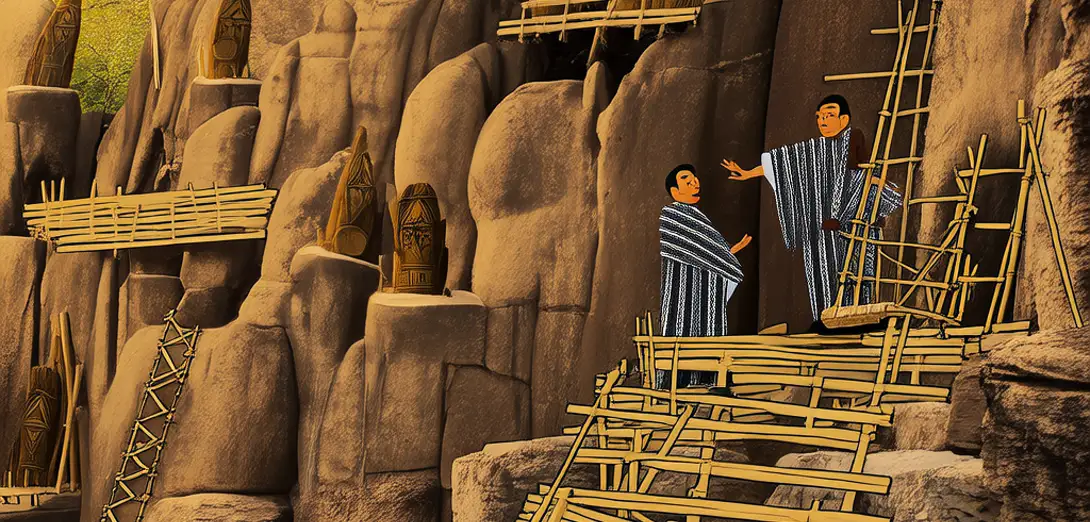
Indonesian Toraja Funeral Architecture as Temporal Infrastructure
印尼托拉查葬礼建筑:时间基础设施
-
In Sulawesi’s highlands, Toraja families construct elaborate cliffside burial sites over decades, treating death preparation as intergenerational urban planning rather than event management.在苏拉威西高地,托拉雅家族耗时数十年于悬崖上建造繁复的墓葬场所,将死亡准备视为跨代际的城市规划,而非单纯应对丧事。
-
Wooden effigies called tau-tau do not represent deceased individuals but serve as temporal anchors—updated annually with new clothing reflecting shifting social roles and political affiliations.名为‘陶陶’的木制人像并不象征逝者,而是作为时间锚点——每年更新服饰,以反映社会角色与政治归属的变化。
-
Funeral processions move backward downhill, reversing agricultural cycles to signify transition from earthly cultivation to ancestral stewardship.送葬队伍倒退着下山行进,逆转农耕周期,象征从尘世耕作转向祖先守护。
-
The bamboo scaffolding erected for ceremonies remains standing for years, repurposed as community meeting spaces until structural decay signals readiness for next phase.仪式所用竹脚手架可矗立多年,后被改作社区集会空间,直至结构老化才预示下一阶段开启。
-
Western observers mistake delayed burials for logistical delay; in truth, they synchronize with rice harvests, monsoon patterns, and electoral cycles to maximize communal participation.西方观察者误以为延迟下葬是后勤延误;实则此举与稻米收获、季风周期及选举节奏同步,以最大化集体参与。
-
Grave facades incorporate GPS coordinates alongside ancestral names, merging cartographic precision with mythic geography in deliberate epistemic hybridity.墓穴立面同时刻有GPS坐标与祖先姓名,刻意融合地图学精度与神话地理,形成知识论上的混生体。
-
Young Torajans now embed QR codes in tau-tau bases linking to digital archives—yet elders insist physical repainting occurs first, preserving material precedence over data.如今年轻托拉雅人将二维码嵌入陶陶基座,链接至数字档案;但长者坚持须先手工重绘,确保物质性优先于数据。
-
This architecture refuses linear time: graves hold both recently deceased infants and ancestors commemorated for two centuries, collapsing generational distance into shared vertical space.这种建筑拒绝线性时间:墓中既安放新近夭折的婴儿,也供奉纪念逾两世纪的祖先,将世代间距压缩为共存的垂直空间。
-
Funeral funding pools operate like decentralized DAOs, with contributions tracked on hand-carved ledgers visible to all villagers—not as charity but as infrastructural investment.丧葬资金池运作如去中心化自治组织(DAO),每笔捐助均刻于手雕账册,全村可见——并非慈善,而是基础设施投资。
-
Tourism pressures have led some families to install solar-powered LED lights inside tombs, illuminating carvings at night while asserting control over visibility regimes.旅游压力促使部分家庭在墓室内安装太阳能LED灯,夜间照亮雕刻,同时宣示对可见性规则的掌控权。
-
The most revered builders are those who anticipate future erosion patterns, designing drainage channels that will protect carvings for 120 years—engineering as long-term cultural covenant.最受尊崇的匠人,是那些能预判未来百年侵蚀模式者——所设排水渠旨在保护雕刻达120年,工程即长远文化契约。
-
Toraja funerary practice demonstrates how space becomes time made tangible, where every beam placement encodes obligations across multiple lifetimes.托拉雅丧葬实践昭示:空间如何成为可触的时间,每一根梁柱的安置,皆编码着跨越多代人的义务。