正在确认阅读权限…
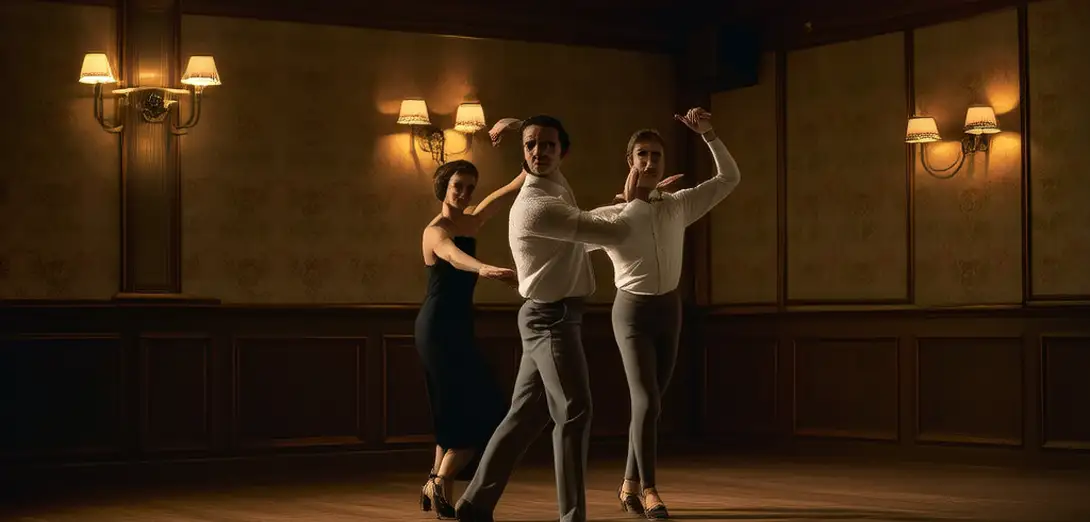
Argentine Tango Milonga Codes as Embodied Memory Infrastructure
阿根廷探戈米隆加规约:具身记忆基础设施
-
Buenos Aires milongas enforce unspoken navigation rules where dancers’ shoulder angles encode neighborhood histories and migration routes from 1940s industrial suburbs.布宜诺斯艾利斯的米隆加舞会遵循不成文的行舞规则:舞者肩部角度暗含邻里历史与20世纪40年代工业郊区的移民路线。
-
The 'cabeceo' invitation system functions as archival interface—eye contact duration correlates with shared generational trauma indices documented in oral history projects.‘眼神邀舞’(cabeceo)机制充当档案接口——眼神接触时长与口述史项目中记录的代际创伤指数相关。
-
Floor patterns map onto subway line schematics: the 'quince' step sequence mirrors Line D’s 1937 extension route through working-class districts.舞池走位图式映射地铁线路图:‘十五步’(quince)舞序复刻1937年D线穿越工人聚居区的延伸路径。
-
Tango historians collaborate with neuroscientists to study how rhythmic phrasing activates hippocampal pathways storing neighborhood-specific collective memory.探戈史学者与神经科学家合作,研究节奏分句如何激活海马体通路,唤起特定街区的集体记忆。
-
When gentrification displaces traditional milonga venues, dancers replicate exact floor dimensions and pillar placements in new locations as mnemonic preservation.当士绅化迫使传统米隆加场所搬迁,舞者会在新址精确复刻原场地尺寸与立柱位置,以作记忆存续。
-
Dance instructors teach 'memory footwork'—specific weight shifts trigger recall of historical labor strikes documented in union archives.舞蹈教师传授‘记忆步法’——特定重心转移可触发对工会档案所载历史劳工罢工的回忆。
-
The Argentine National Archive now accepts video submissions of milonga floor patterns as legally admissible cultural evidence in land restitution cases.阿根廷国家档案馆现已接受米隆加舞池走位视频,作为土地归还案件中具法律效力的文化证据。
-
Foreign tango students undergo six-month residency before receiving 'cabeceo certification', ensuring embodied familiarity with local memory topography.外国探戈学员须完成六个月本地驻留,方获‘眼神邀舞’认证,确保身体切实熟悉当地记忆地理。
-
Milonga lighting design follows historical electricity grid maps—dimmer zones correspond to neighborhoods experiencing blackouts during 1976–1983 military rule.米隆加灯光设计依循历史电网图:调光区域对应1976至1983年军政府统治期间曾停电的街区。
-
This choreographic infrastructure treats the dance floor as living archive where muscle memory stores what documents cannot convey.这套编舞基础设施将舞池视为活态档案,肌肉记忆承载文献无法传达的内容。
-
Every pivot, pause, and embrace recalibrates spatial justice—turning intimacy into historiographic methodology.每一次旋转、停顿与拥抱都在重构空间正义——将亲密转化为历史书写的方法论。
-
The milonga isn’t entertainment but distributed cognition: moving bodies reconstructing erased urban narratives in real time.米隆加并非娱乐,而是分布式认知:移动的身体实时重建被抹除的城市叙事。