正在确认阅读权限…
Why Governments Borrow Money Too
政府为何也要借钱
-
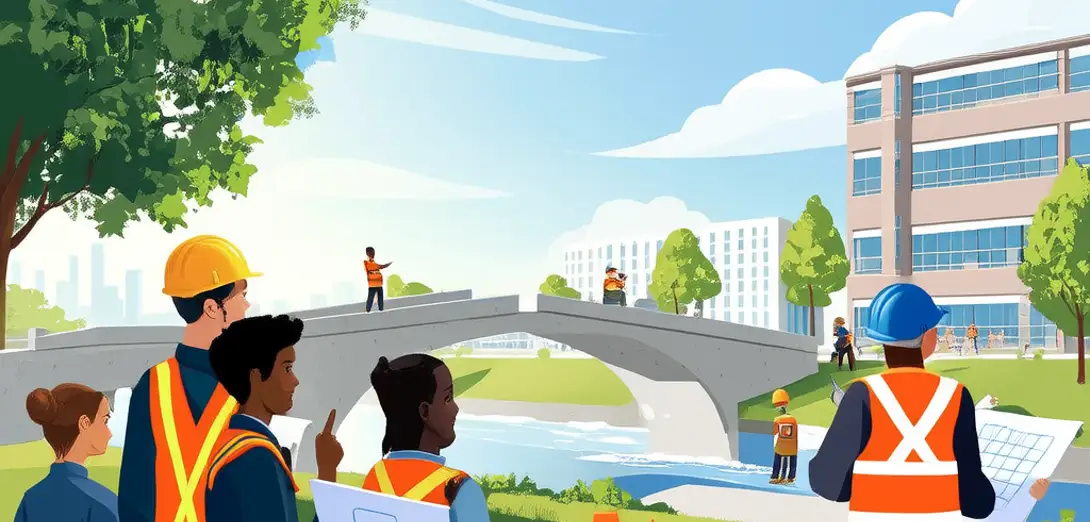
Cities borrow to build bridges or schools—spreading costs over decades instead of raising taxes sharply all at once.城市举债修建桥梁或学校,将成本分摊到数十年,避免一次性大幅增税。
-
During recessions, governments spend more on unemployment aid and infrastructure to keep people working and spending.经济衰退期间,政府增加失业救济和基建支出,以维持就业和消费。
-
Low-interest loans let them act quickly, knowing future growth will help repay debt gradually and fairly.低息贷款使其能迅速行动,依靠未来增长逐步、公平地偿还债务。
-
Unlike households, governments collect taxes for generations—so borrowing aligns long-term projects with long-term income.与家庭不同,政府可连续征税数代,因此举债恰能匹配长期项目与长期收入。
-
Debt isn’t dangerous by itself—it’s risky only if payments crowd out education, health, or climate action.债务本身并不可怕,仅当偿债挤占教育、医疗或气候行动经费时才具风险。
-
Transparent borrowing (with public reports) builds trust, while hidden debt erodes it fast—even if numbers look safe.公开透明的举债(辅以公共报告)建立信任,而隐性债务则迅速侵蚀信任——哪怕账面看似安全。
-
Smart borrowing funds things people need now *and* will thank future leaders for later.明智举债所投资的,既是民众当下所需,也是后人将感激今人的事业。
-
It’s not about spending freely—it’s about investing wisely in shared stability and opportunity.关键不在随意支出,而在审慎投资于共同的稳定与机遇。