正在确认阅读权限…
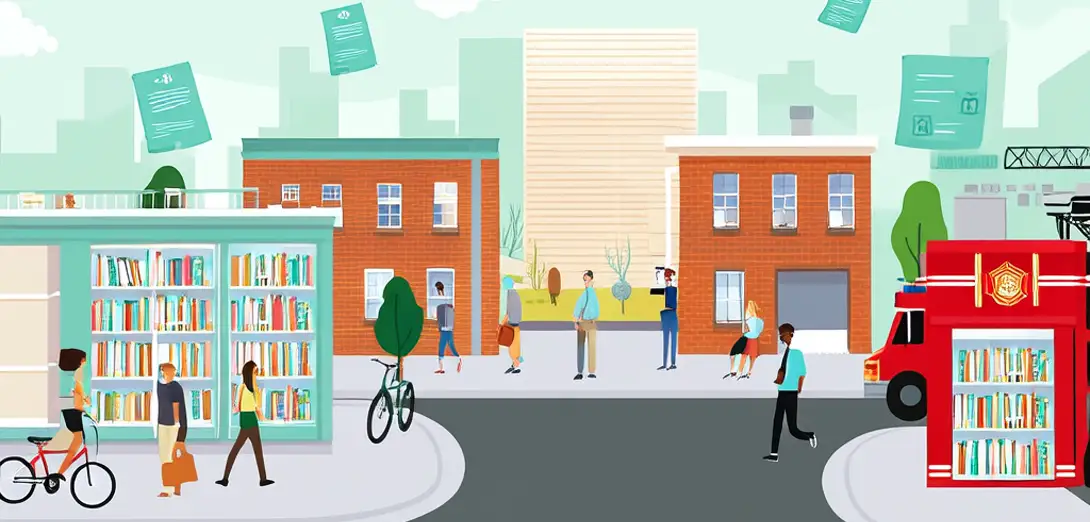
Public Services Aren’t Free—But They’re Worth It
公共服务并非免费——但物有所值
-
Roads, libraries, and emergency services cost money—but we pay for them through taxes, not per use.道路、图书馆和应急服务需要资金——但我们通过税收支付,而非按次付费。
-
This system works well when everyone contributes, even if you rarely visit the library or drive late at night.只要人人出力,这套体系就运转良好,哪怕你很少去图书馆或深夜开车。
-
Paying for streetlights benefits shop owners, pedestrians, and delivery drivers alike—even if none asked for them.支付路灯费用让店主、行人和快递司机都受益——即便没人主动提出需求。
-
When cities invest in safe bike paths, fewer cars mean less pollution and lower healthcare costs later.城市投资建设安全的自行车道后,汽车减少,未来污染降低,医疗开支也随之下降。
-
Schools teach skills that help future workers earn more, which grows the whole economy—not just students’ families.学校传授技能,帮助未来劳动者提高收入,从而推动整体经济增长,而不仅惠及学生家庭。
-
Well-run public transport reduces traffic jams, helping everyone save time—even car owners stuck in line.高效运行的公共交通缓解拥堵,帮所有人节省时间——包括堵在路上的车主。
-
Taxes fund these services because markets alone wouldn’t build them fairly or widely enough.税收为这些服务提供资金,因为单靠市场无法公平、广泛地建设它们。
-
Thinking of them as shared tools—not handouts—makes budget debates more thoughtful and less emotional.把它们视作共享工具而非施舍,能让预算讨论更理性、更少情绪化。