正在确认阅读权限…
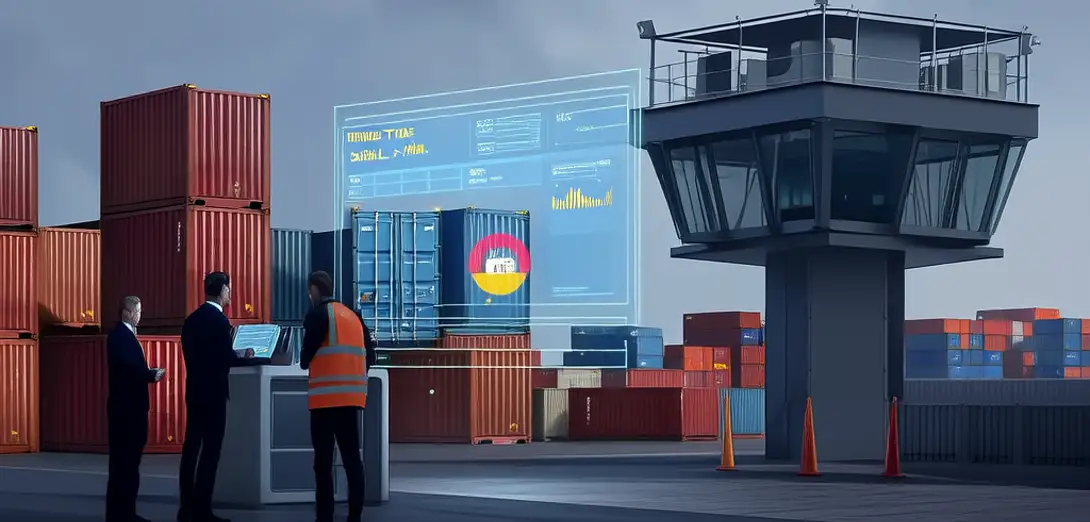
Batch-0026-034: Threshold Signaling in Multi-Stakeholder Logistics Coordination Hubs
批次0026-034:多方物流协调枢纽中的阈值信号机制
-
At Rotterdam’s Maasvlakte II coordination hub, threshold signaling—such as automated container dwell-time alerts or berth congestion indices—triggers predefined escalation protocols across shippers, forwarders, and terminal operators.在鹿特丹马斯弗拉克特二期协调中心,阈值信号(如自动集装箱堆存时长预警或泊位拥堵指数)会触发货主、货代和码头运营商之间预设的升级响应流程。
-
These signals operate independently of human intervention, using IoT-enabled gate sensors and real-time AIS vessel tracking to calibrate urgency levels objectively.这些信号无需人工干预,依托物联网闸口传感器和实时AIS船舶追踪数据,客观校准紧急程度。
-
A recent signal cascade halted three inbound vessels’ berthing sequence when yard occupancy exceeded 92%, activating priority allocation rules codified in the 2023 EU Port Efficiency Charter.最近一次信号级联响应在堆场占用率超92%时中止了三艘进港船舶的靠泊顺序,并启动了《2023年欧盟港口效率宪章》中明文规定的优先分配规则。
-
Unlike ad hoc notifications, these thresholds derive from empirically modeled throughput ceilings—not theoretical capacity or historical averages.与临时通知不同,这些阈值源自实证建模的吞吐量上限,而非理论容量或历史均值。
-
Stakeholders jointly validate signal thresholds annually, adjusting them based on new equipment deployment, labor scheduling patterns, and climate-related port disruptions.各相关方每年联合校验并调整信号阈值,依据包括新设备部署、劳动力排班模式及气候引发的港口中断等因素。
-
The system deliberately avoids binary ‘green/red’ alerts; instead, it issues graded advisories—amber-1 through crimson-3—to modulate response intensity proportionally.该系统刻意摒弃简单的‘绿/红’二元警报,转而发布分级建议——从琥珀-1至深红-3,使响应强度与事态严重性成比例调节。
-
Such signaling transforms coordination from reactive firefighting into anticipatory resource orchestration across organizational boundaries.此类信号机制将跨组织协调从被动救火转变为前瞻性资源统筹。
-
Critically, thresholds are never proprietary: all participants access raw sensor feeds and algorithmic weighting parameters via secured blockchain-ledger interfaces.关键在于,阈值绝非专有信息:所有参与方均可通过安全区块链账本接口访问原始传感器数据及算法权重参数。
-
This transparency builds trust not through consensus but through verifiable, shared perception of system state.这种透明度并非源于共识,而是建立在对系统状态可验证、共享的认知之上。
-
Logistics managers report 37% fewer unplanned demurrage incidents since implementing threshold-based routing protocols across six European ports.物流经理反馈,自在六个欧洲港口全面实施基于阈值的路径规划协议以来,计划外滞期事件减少37%。
-
The mechanism succeeds not by eliminating friction but by making its onset visible, measurable, and collectively governable.该机制的成功不在于消除摩擦,而在于让摩擦初现即可见、可测、可共治。
-
Threshold signaling thus redefines port logistics as a dynamic equilibrium—maintained not by control, but by calibrated responsiveness.因此,阈值信号将港口物流重新定义为一种动态平衡——其维系不靠管控,而靠精准响应。