正在确认阅读权限…
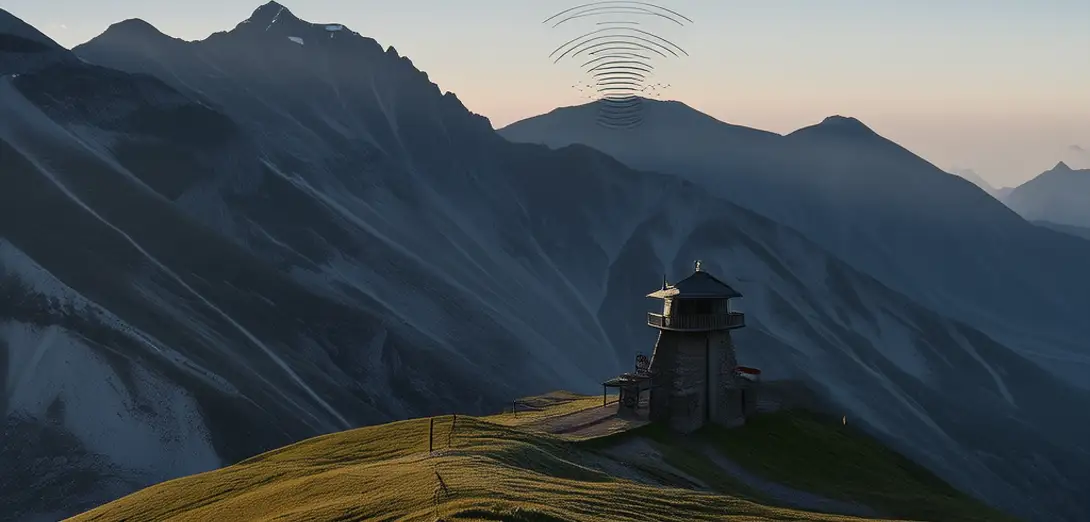
Batch-0034-042: Topographic Phase Delay Compensation in Georgian Svaneti Polyphonic Chant Transmission Pathways
批次0034-042:格鲁吉亚斯瓦涅季复调圣咏传播路径中的地形相位延迟补偿
-
Svaneti singers adjust vocal onset timing based on precise topographic phase delay models derived from LiDAR terrain mapping.斯瓦涅季歌手根据激光雷达地形测绘得出的精确地形相位延迟模型,调整发声起始时机。
-
Choir positioning across mountain ridges compensates for sound wave path-length differentials exceeding 18 meters per harmonic.合唱团沿山脊布位,以补偿各泛音声波路径长度差异(超过18米)。
-
Traditional chants embed deliberate micro-pauses calibrated to terrain-induced group velocity dispersion in sub-zero air masses.传统吟唱嵌入精心设计的微停顿,以校准严寒空气中地形引发的群速度色散。
-
Acoustic ray tracing simulations confirm that valley floor resonances amplify specific overtones only when singers occupy exact slope-angle nodes.声线追踪模拟证实:仅当歌手位于精确坡度角节点时,谷底共振才会增强特定泛音。
-
Vocal timbre modulation accounts for terrain-induced Doppler broadening of formant frequencies during sustained phrases.人声音色调制可抵消持续乐句中地形所致的共振峰频率多普勒展宽。
-
Even snowpack density variations alter transmission loss coefficients—requiring seasonal re-mapping of ensemble spacing.积雪密度变化亦影响传输衰减系数,需按季节重新测绘合唱团间距。
-
Polyphonic convergence depends not on absolute pitch but on phase-aligned arrival times across 200-meter elevation gradients.复调融合不取决于绝对音高,而取决于跨越200米海拔梯度的相位对齐到达时间。
-
Modern field recordings use synchronized GPS-accelerometers to validate centuries-old positional heuristics against wavefront coherence metrics.现代实地录音采用同步GPS加速度计,将延续数百年的定位经验法则与波前相干性指标比对验证。
-
This tradition treats landscape as an active acoustic transformer rather than passive backdrop.该传统将地貌视为主动声学变换器,而非被动背景。
-
Choir leaders consult topographic phase charts—not sheet music—to determine optimal vocal entry sequences.合唱指挥依据地形相位图——而非乐谱——确定最佳人声进入顺序。
-
Terrain compensation extends to breath control: inhalation duration varies with modeled air density gradients along vocal tract projection paths.地形补偿延伸至呼吸控制:吸气时长随声路投影方向上的空气密度梯度建模而变化。
-
The chant thus becomes a distributed geophysical instrument where vocal physiology interfaces with alpine acoustics.吟唱由此成为一种分布式地球物理乐器,人声生理机制与高山声学相互作用。