正在确认阅读权限…
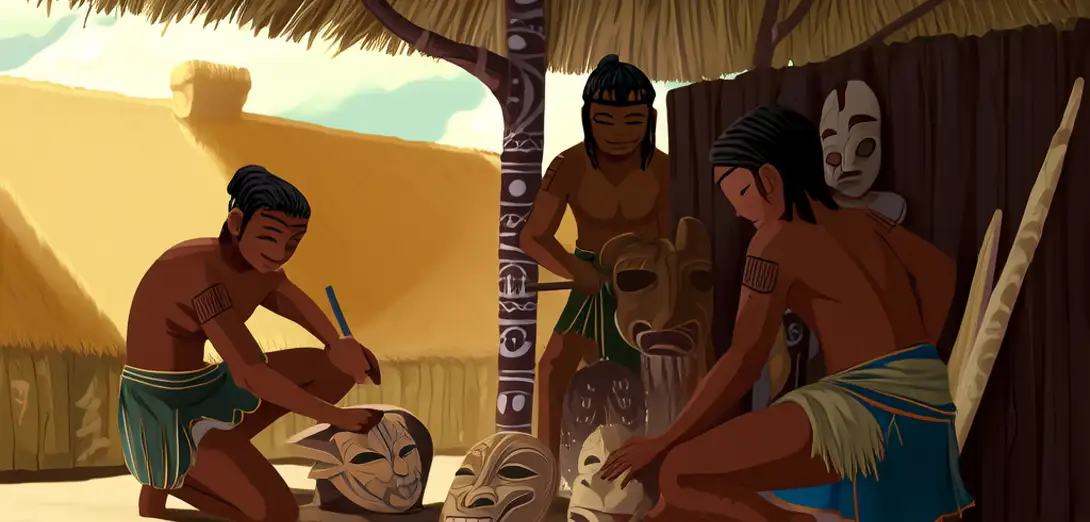
Ancestral Mask Dances and Threshold Crossing in Papua New Guinea’s Sepik Region
巴布亚新几内亚塞皮克地区:祖先面具舞与门槛仪式
-
In Sepik villages, young men spend six months carving sacred masks from soft garamut wood under strict ritual seclusion.在塞皮克村落,年轻男子需在严格仪式隔离下,用软质加拉木雕刻神圣面具,历时六个月。
-
Each mask represents a specific clan ancestor whose voice returns only when danced inside the men’s house at dusk.每副面具代表一位特定氏族祖先,唯有在黄昏时于男子会所内起舞,其声音方能重现。
-
Before entering the ceremonial ground, dancers dip their feet in river clay mixed with crushed shells and ash.舞者进入仪式场地前,须将双脚浸入混有碎贝壳与草木灰的河泥中。
-
Spectators stand behind marked bamboo lines—crossing means interrupting the boundary between living and ancestral realms.观众须站在标有记号的竹线后——越线即意味着扰乱生者与祖先 realms 的界限。
-
Drums carved from hollowed-out tree trunks echo rhythms older than written records in the region.鼓由掏空的树干雕成,所奏节奏比当地文字记载的历史更为久远。
-
Elders chant genealogies backward, naming forebears until reaching the first human born from sago palm roots.长老倒诵族谱,从近祖溯至首位自西谷椰子树根诞生的人类。
-
Masks are never stored indoors; they rest upright in open-air shelters facing east to greet sunrise spirits.面具从不存于室内,而是直立置于朝东的露天棚屋中,以迎晨光之灵。
-
A single drop of cassava juice poured on the earth signals the dance’s end and renews the land’s fertility promise.一滴木薯汁洒向大地,标志舞蹈结束,并重申土地丰饶的承诺。
-
Foreign visitors may observe but must remain barefoot and silent throughout the entire sequence.外国访客可旁观,但全程须赤足静默。
-
These dances do not entertain—they realign time, territory, and kinship in ways maps cannot chart.这些舞蹈并非娱乐,而是以地图无法描绘的方式,重新校准时间、疆域与亲缘。