正在确认阅读权限…
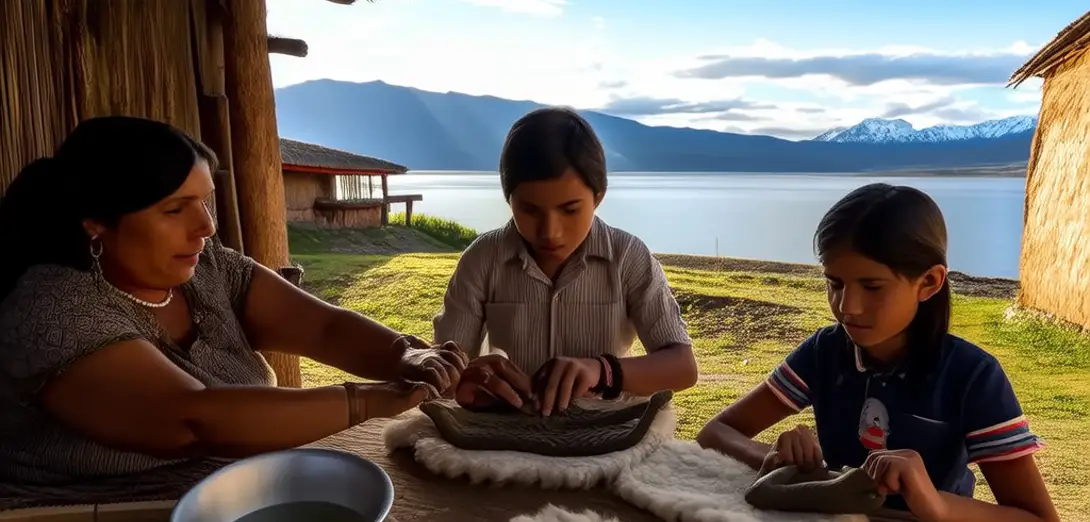
Clay Whistle Offerings and Wind-Listening Ceremonies in Andean Altiplano Villages
安第斯高原村落的陶笛供奉与听风仪式
-
In high-altitude villages near Lake Titicaca, families shape clay whistles shaped like condors each June.在的喀喀湖附近的高海拔村落,每年六月,家家户户都会用黏土捏制安第斯神鹰形状的哨子。
-
They fire them in open pits, then carry them to hilltop shrines where wind sweeps unbroken for miles.他们在露天坑中烧制这些哨子,再将其带到山顶神龛——那里风势强劲,绵延数里不绝。
-
At dawn, elders hold the whistles to their lips—not to blow—but to feel vibrations carried by the air.黎明时分,长者将哨子轻贴唇边,并不吹响,只为感受空气传来的震颤。
-
Each whistle’s pitch tells them whether the coming season will bring gentle rain or prolonged drought.每支哨子的音调,预示着来年是细雨润物,还是久旱无雨。
-
Children learn to distinguish between the ‘voice of Pachamama’ and the ‘whisper of Apu’ through careful listening.孩子们通过专注聆听,学会分辨‘大地母亲帕查玛玛的声音’与‘山神阿普的低语’。
-
No two whistles sound alike, just as no two years bring identical winds or harvests.没有两支哨子声音相同,正如没有两年的风势或收成完全一样。
-
After three days, the whistles remain on stone altars, slowly weathering into the landscape they interpret.三天后,哨子留在石制祭坛上,渐渐风化,融入它们所解读的 landscape。
-
This practice treats wind not as weather, but as a speaking presence requiring humility and attention.这一习俗不把风视作天气现象,而视作一种会说话的存在,需要谦卑与专注。