正在确认阅读权限…
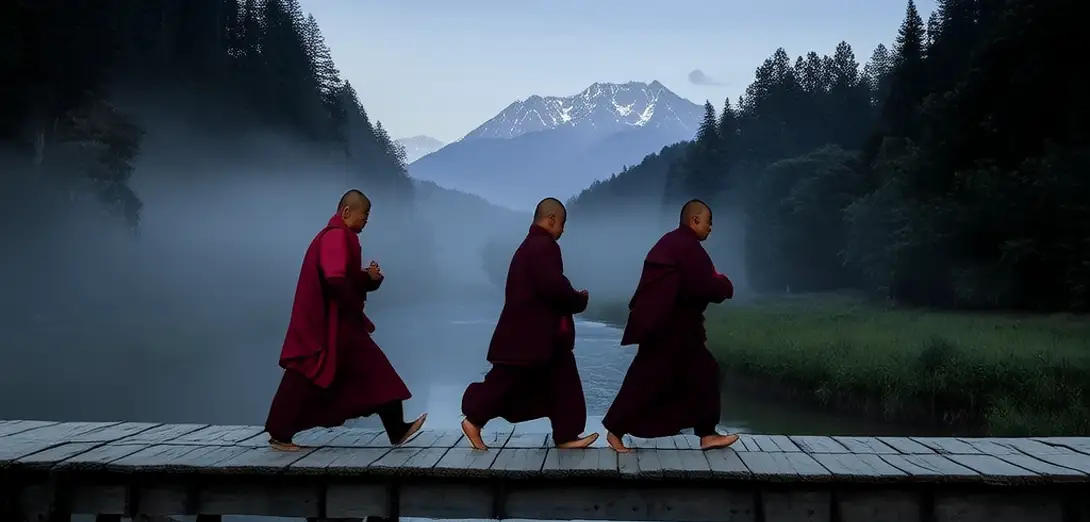
Ceremonial Bridge Crossing in Bhutan’s Paro Valley: Step Rhythm as Embodied Sovereignty Protocol
不丹帕罗山谷仪式性过桥:步频作为具身主权规程
-
During Tshechu festivals, crossing the wooden Punakha-style bridge into Paro Dzong requires matching one’s step rhythm to the lead monk’s walking cadence—not speed, but temporal alignment.在楚楚节期间,穿过帕罗宗的木质普那卡式桥时,须与领头僧人的步调节奏保持一致——不求快慢,而求时间上的精准同步。
-
Each plank’s resonant frequency has been tuned over centuries; stepping out of sync produces audible dissonance interpreted as spiritual misalignment, not clumsiness.每块木板的共振频率历经数百年校准;步调错乱会引发可闻的不和谐音,被视为灵性失衡,而非笨拙所致。
-
Foreign dignitaries rehearse for hours before state visits—not to memorize speeches, but to internalize the precise 0.83-second interval between footfalls required for legitimacy.外国要员在国事访问前需反复排练数小时——目的并非背诵演讲稿,而是内化每步间隔精确的0.83秒,以此确立合法性。
-
Monks walk barefoot not for austerity, but to feel micro-vibrations transmitted through the bridge’s ironwood beams—data points informing real-time ritual adjustments.僧人赤足行走,并非出于苦修,而是为感知铁木桥梁传来的细微震颤——这些触觉信号实时指导仪轨调整。
-
The bridge’s curvature follows celestial alignments, so deviation from prescribed stride length alters the walker’s shadow geometry relative to sacred mountain peaks.桥身弧度依天体方位而设,步幅偏离规定长度,便会改变行者身影与圣山峰顶之间的几何关系。
-
Photographers are barred from capturing mid-stride moments; stillness at the apex is the only sanctioned image, symbolizing suspended sovereignty before reintegration.摄影师严禁拍摄迈步瞬间;唯在桥顶静止驻足的画面方获许可,象征主权暂悬、待重新融入之际。
-
Children begin training at age six by walking across rice-paper bridges that tear if rhythm falters—failure teaches consequence, not correction.孩童六岁起便在稻纸桥上习步——节奏稍乱,桥即撕裂;失败所教是后果,而非纠正。
-
This embodied protocol predates written law; its authority resides in collective muscle memory refined across thirty-seven generations of bridge crossings.这套身体化的规程早于成文法典;其权威根植于三十七代人桥上行走所锤炼出的集体肌肉记忆。
-
Diplomatic recognition isn’t granted by documents alone—it’s ratified by successful traversal under monastic observation during the spring equinox ceremony.外交承认不仅凭文书授予——更须在春分仪式中,经僧团见证成功通行,方得正式确认。
-
To cross correctly isn’t performance—it’s somatic ratification of a covenant linking geography, governance, and gravitational harmony.正确过桥并非表演,而是以身体为媒介,确认一项联结地理、治理与重力和谐的古老契约。