正在确认阅读权限…
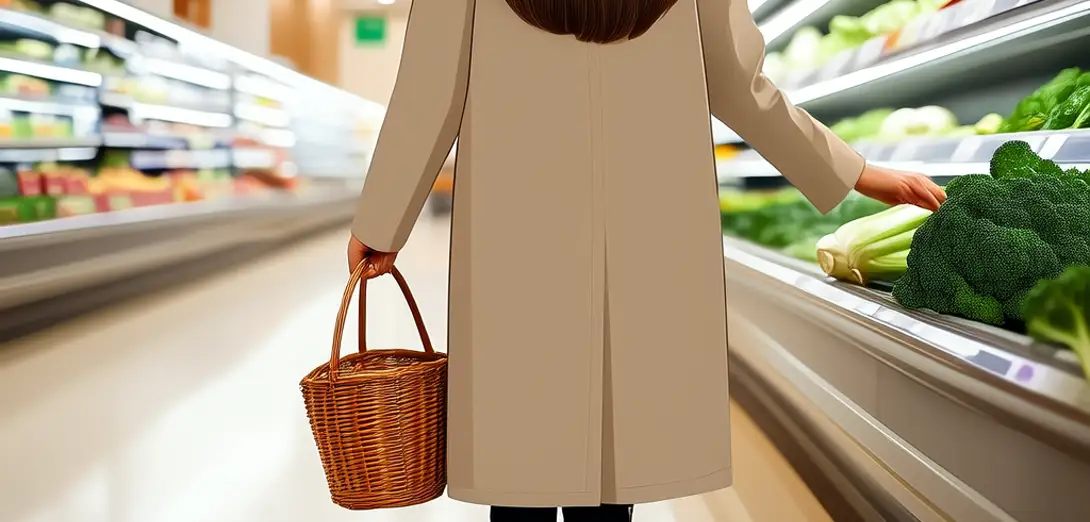
Beyond the Cart: How Grocery Retailers Engineer Choice Architecture—and How to Navigate It
不止于购物车:超市如何设计选择架构,以及我们如何理性应对
-
Placing organic produce at eye level isn’t health promotion—it’s behavioral nudge theory applied to shelf space allocation, calibrated by consumer neuroscience studies.将有机食品摆放在视线平齐处,并非健康倡导,而是行为助推理论在货架空间分配中的应用,其依据是消费者神经科学研究。
-
When checkout lanes display ‘Low-traffic now’ timers, they’re not informing—they’re redistributing cognitive load away from self-service decision fatigue.结账通道显示‘当前低客流’倒计时,并非单纯提供信息,而是将认知负荷从自助决策疲劳中转移出去。
-
Saying ‘I compare unit prices using the shelf tag’s ‘per 100g’ metric’ reflects resistance to perceptual pricing traps, not mere budget consciousness.说‘我用货架标签上的‘每100克’单价来比价’,体现的是对感知定价陷阱的抵抗,而非仅出于预算意识。
-
Retailers know shoppers spend 37% more time in aisles with ambient scent diffusion—so recognizing lavender near bakery sections helps decouple emotion from purchase rationale.零售商深知顾客在有环境香氛的通道停留时间增加37%,因此察觉面包区附近的薰衣草气味,有助于将情绪反应与购买逻辑分离。
-
The phrase ‘I’ll skip the ‘value pack’ unless the per-unit cost drops below €0.89’ treats packaging as data, not persuasion.‘除非单件成本低于0.89欧元,否则我跳过‘超值装’’这句话,把包装当作数据而非说服手段。
-
Self-checkout interfaces deliberately minimize friction for routine items but add verification steps for high-theft categories—making ‘Scan again’ a subtle behavioral audit.自助结账界面刻意减少常规商品的操作阻力,却对高失窃品类增设复核步骤——‘请再次扫描’实为一种隐性的行为审计。
-
When nutrition labels use ‘Reference Intakes’ instead of absolute values, they frame consumption relative to idealized norms—not individual needs.营养标签使用‘参考摄入量’而非绝对数值,是将消费置于理想化标准下衡量,而非基于个体实际需求。
-
Noticing that ‘plant-based’ products cluster near dairy, while ‘vegan’ options appear in frozen—reveals category politics encoded in store geography.注意到‘植物基’产品集中于乳制品区附近,而‘纯素’选项多见于冷冻区,揭示了品类政治已嵌入门店地理布局。
-
Saying ‘I check expiry dates *before* scanning, not after’ reclaims agency in environments designed to accelerate confirmation bias.说‘我先查保质期再扫码,而非扫完再查’,是在刻意加速确认偏误的环境中重掌决策主动权。
-
Grocery literacy now includes decoding sustainability claims: ‘Carbon neutral’ may refer to logistics, not production—requiring cross-referencing with third-party certifications.现代 Grocery Literacy(购物素养)包括解码可持续性声明:‘碳中和’可能仅指物流环节,未必涵盖生产过程,需对照第三方认证交叉验证。