正在确认阅读权限…
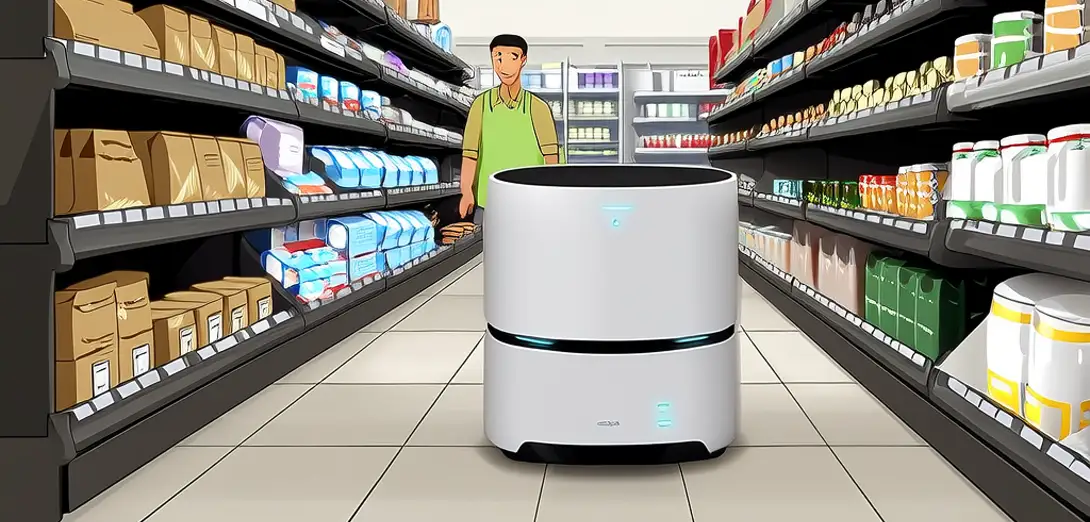
Batch-0039-046: Market Signals in Automated Inventory Replenishment
批次0039-046:自动补货系统中的市场信号
-
Retailers now use AI to restock shelves without human input or weekly reviews.零售商如今借助人工智能自动补货,无需人工干预或每周盘点。
-
These systems track real-time sales, weather forecasts, and local event calendars to predict demand.这些系统实时追踪销量、天气预报和本地活动日历,以预测需求。
-
When a sudden heatwave boosts bottled water sales, algorithms trigger immediate warehouse dispatches.当突发热浪推高瓶装水销量时,算法会立即触发仓库发货。
-
Such automation reduces stockouts but may amplify demand shocks across supplier networks.此类自动化虽可减少缺货,却可能放大对供应商网络的需求冲击。
-
Suppliers receive orders not from buyers’ decisions but from embedded statistical models.供应商收到的订单并非来自买家决策,而是源于内嵌的统计模型。
-
This shifts negotiation power toward data platforms rather than traditional procurement departments.这使议价权从传统采购部门转向数据平台。
-
Firms with older ERP systems struggle to synchronize with these high-frequency replenishment rhythms.使用老旧ERP系统的企业难以跟上这种高频补货节奏。
-
Regulators monitor whether algorithmic coordination unintentionally enables tacit price alignment.监管机构正关注算法协调是否无意中促成默示的价格协同。
-
Transparency gaps emerge when proprietary code governs what appears to be 'market-driven' ordering.当专有代码主导看似‘市场驱动’的订货行为时,透明度缺口随之出现。
-
Ultimately, automatic replenishment transforms inventory management from operational task to macroeconomic signal channel.最终,自动补货将库存管理从一项运营任务转变为宏观经济信号通道。