正在确认阅读权限…
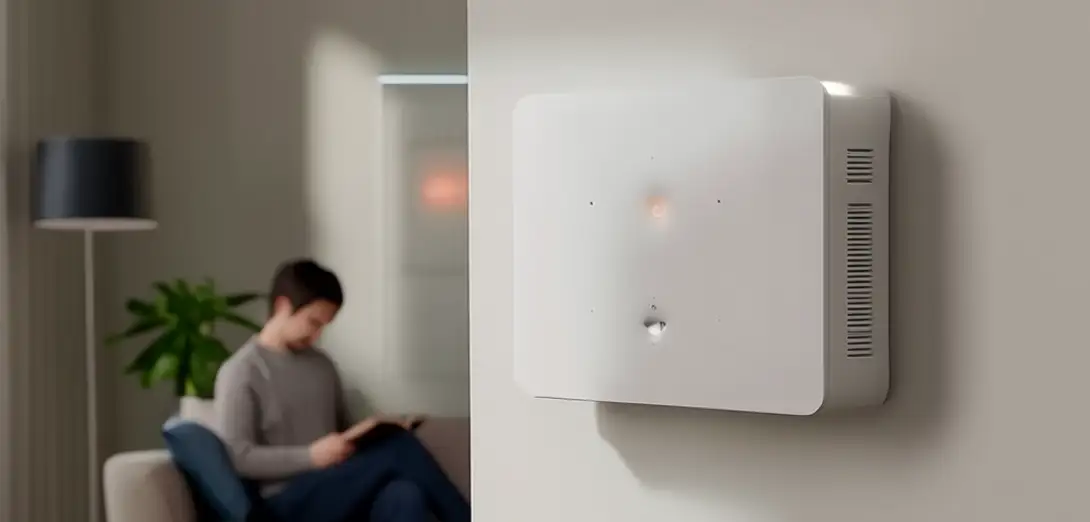
How Smart Thermostats Learn Your Habits
智能恒温器如何学习你的生活习惯
-
A smart thermostat uses built-in sensors and Wi-Fi to track room temperature, humidity, and motion over time.智能温控器通过内置传感器和Wi-Fi持续监测室温、湿度及人员活动。
-
It analyzes your daily schedule—like when you wake up or leave home—and adjusts heating or cooling automatically.它分析您的日常作息(如起床或离家时间),自动调节供暖或制冷。
-
Machine learning algorithms help it improve predictions by comparing past behavior with current conditions.机器学习算法通过比对历史行为与当前环境,不断提升预测精度。
-
Unlike traditional thermostats, it can lower energy use by up to 15% without sacrificing comfort.与传统温控器不同,它可在不降低舒适度的前提下节省高达15%的能耗。
-
Some models even detect open windows and pause heating to avoid wasting power.部分型号还能检测窗户是否开启,并暂停供暖以避免能源浪费。
-
They connect to weather forecasts online and pre-cool your home before a hot afternoon arrives.它们可联网获取天气预报,在炎热午后到来前预先为室内降温。
-
You can control them remotely using a smartphone app or voice commands through smart speakers.您可通过智能手机App或智能音箱的语音指令远程控制。
-
Over weeks, the device builds a personalized profile that balances efficiency, cost, and your preferences.经过数周运行,设备会生成个性化配置,在能效、成本与个人偏好间取得平衡。
-
This blend of engineering, data science, and user-centered design makes climate control both smarter and greener.这种工程学、数据科学与以用户为中心的设计融合,让气候调控更智能、更环保。
-
Ultimately, it turns passive hardware into an adaptive, energy-aware part of modern living.最终,它将被动硬件转变为现代生活中具备自适应能力与节能意识的组成部分。