正在确认阅读权限…
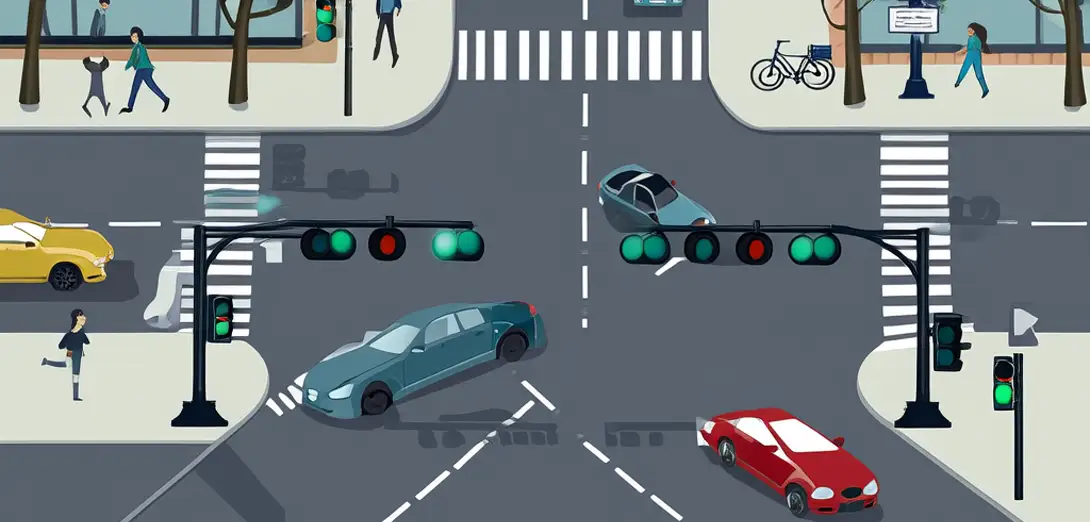
Smart Traffic Lights That Reduce Congestion
智能交通灯如何缓解拥堵
-
Adaptive traffic signals use radar, cameras, and connected vehicle data to monitor vehicle flow, waiting times, and pedestrian crossings in real time.自适应交通信号灯利用雷达、摄像头和联网车辆数据,实时监测车流、等待时间和行人过街情况。
-
AI algorithms process this input every few seconds and adjust green-light durations dynamically—not according to fixed timers.AI算法每几秒处理一次输入数据,动态调整绿灯时长,而非依赖固定计时器。
-
At intersections with low traffic, lights stay red longer for major roads but switch quickly when side-street cars or bikes are detected.在车流量较小的路口,主干道红灯时间更长,但一旦检测到支路车辆或自行车,信号灯会迅速切换。
-
Coordinated systems along corridors create 'green waves,' letting vehicles travel several blocks without stopping if they maintain optimal speed.沿道路走廊协调运行的系统可形成“绿波带”,只要车辆保持最佳速度,就能连续通过多个街区而不停车。
-
Emergency vehicles trigger priority overrides—extending green phases or clearing paths ahead using V2I (vehicle-to-infrastructure) communication.紧急车辆触发优先通行机制——通过车路协同(V2I)通信延长绿灯时间或提前清空前方路径。
-
Data from thousands of intersections feeds city-wide dashboards that identify chronic bottlenecks and guide long-term road redesigns.数千个路口的数据汇入城市级仪表盘,识别长期拥堵点,指导道路长期改造。
-
Energy use drops because idle time decreases, and LED signals themselves consume 85% less power than older incandescent units.因怠速时间减少,能耗下降;且LED信号灯功耗比传统白炽灯降低85%。
-
Privacy safeguards anonymize all camera footage and aggregate vehicle counts without tracking license plates or individuals.隐私保护措施对所有摄像头画面进行匿名化处理,并仅统计车辆数量,不追踪车牌或个人身份。
-
Pilots in cities like Los Angeles and Helsinki show average commute delays falling by 12–25% after system upgrades.洛杉矶、赫尔辛基等城市的试点显示,系统升级后通勤延误平均减少12%–25%。
-
This integration of sensing, computing, and civic infrastructure proves urban mobility can be both responsive and responsible.这种感知、计算与城市基础设施的融合,证明城市交通既可敏捷响应,亦能担当责任。