正在确认阅读权限…
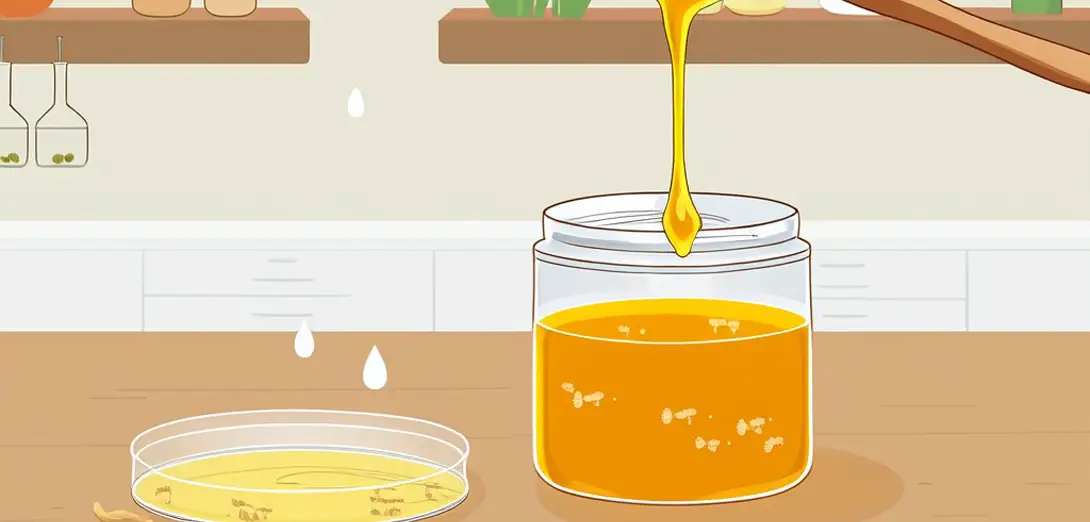
Why Honey Never Spoils: The Science Behind Its Shelf Stability
蜂蜜为何永不腐败:其长期保存的科学原理
-
Honey’s low moisture content makes it inhospitable for most bacteria and molds to grow.蜂蜜含水量低,大多数细菌和霉菌难以在其内生长。
-
Its natural acidity, with pH between 3.2 and 4.5, further prevents microbial survival.其天然酸性(pH值为3.2–4.5)进一步抑制微生物存活。
-
Bees add glucose oxidase enzyme to nectar, which produces hydrogen peroxide as a preservative.蜜蜂向花蜜中添加葡萄糖氧化酶,产生过氧化氢作为天然防腐剂。
-
Crystallization does not indicate spoilage but rather a natural physical change over time.结晶并非变质,而是随时间推移发生的自然物理变化。
-
Archaeologists have found edible honey in ancient Egyptian tombs over 3,000 years old.考古学家在距今3000多年的古埃及墓葬中发现了仍可食用的蜂蜜。
-
Heating honey above 60°C destroys beneficial enzymes but doesn’t affect shelf life.将蜂蜜加热至60°C以上会破坏有益酶,但不影响保质期。
-
Commercial honey is often filtered to delay crystallization without adding preservatives.市售蜂蜜常经过过滤以延缓结晶,且不添加防腐剂。
-
The sugar concentration is so high that it pulls water away from any contaminant cells.糖浓度极高,能从任何污染微生物细胞中夺取水分。
-
Raw honey may contain pollen grains used for geographic traceability and quality testing.生蜂蜜可能含有花粉颗粒,用于产地溯源和品质检测。
-
Modern food labs use water activity meters to verify honey’s long-term stability.现代食品实验室使用水分活度仪验证蜂蜜的长期稳定性。