正在确认阅读权限…
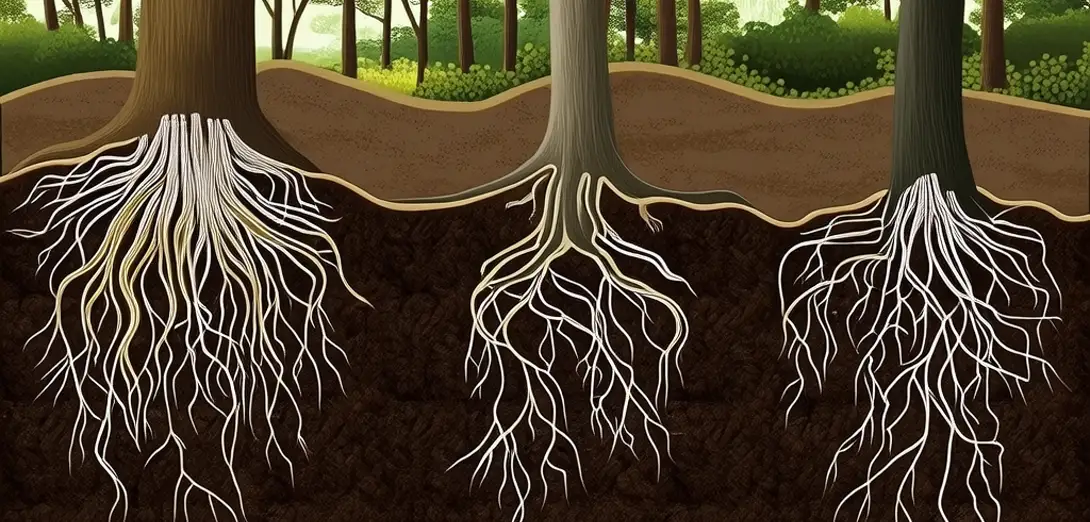
How Mycelial Networks Facilitate Resource Transfer Between Tree Species in Forests
菌根网络如何促进森林中不同树种间的资源转移
-
Ectomycorrhizal fungi form extensive underground hyphal networks connecting roots of disparate tree species—functioning as biological infrastructure for interplant resource exchange.外生菌根真菌形成庞大的地下菌丝网络,连接不同树种的根系,充当植物间资源交换的生物基础设施。
-
Isotopic tracer studies confirm bidirectional transfer of nitrogen, phosphorus, and carbon compounds, with net flow influenced by seasonal photosynthetic capacity and soil nutrient gradients.同位素示踪研究证实氮、磷和碳化合物可双向转移,净流向受季节性光合能力与土壤养分梯度影响。
-
Old-growth forests exhibit greater network complexity and resilience, suggesting mycelial connectivity buffers ecosystem productivity against drought stress.原始森林表现出更高的网络复杂性与韧性,表明菌丝连通性可缓冲干旱胁迫对生态系统生产力的影响。
-
Disturbance events like logging or fire trigger rapid hyphal regrowth—prioritizing connections to stressed hosts over high-carbon donors, indicating adaptive signaling.伐木或火灾等干扰事件会触发菌丝快速再生——优先连接受胁迫的寄主而非高碳供给者,显示其具有适应性信号机制。
-
Carbon allocation follows ‘source–sink’ dynamics: sugar-rich Douglas firs supply carbon to shaded, nitrogen-limited paper birches during spring leaf-out.碳分配遵循‘源–汇’动态:糖分丰富的花旗松在春季展叶期向遮荫下缺氮的纸皮桦供应碳。
-
Forest management policies now recognize mycorrhizal networks as critical infrastructure—restricting soil compaction and chemical herbicide use near legacy trees.森林管理政策现已将菌根网络视为关键基础设施,限制在古树周边进行土壤压实和化学除草剂施用。
-
Commercial forestry trials inoculate nursery stock with native fungal consortia to accelerate post-planting network establishment and survival rates.商业造林试验通过接种本土真菌群落于苗圃苗木,加速定植后网络建立并提高成活率。
-
Climate models incorporating mycelial carbon flux improve predictions of boreal forest carbon sequestration under warming scenarios.纳入菌丝碳通量的气候模型,提升了对变暖情景下北方森林固碳能力的预测精度。
-
Genetic sequencing reveals fungal genotypes specialize in nutrient trading niches—challenging the notion of fungally mediated transfer as indiscriminate diffusion.基因测序揭示真菌基因型特化于不同养分交易生态位,挑战了菌介导转移是无差别扩散的传统认知。
-
Urban afforestation projects select fungal partners based on soil pH and heavy metal tolerance—not just host compatibility.城市造林项目选择真菌伙伴时,不仅考虑寄主兼容性,还兼顾土壤pH值与重金属耐受性。
-
This subterranean economy operates without centralized control, embodying decentralized resource governance principles relevant to human-scale systems.这一地下经济系统无需中央调控,体现了适用于人类尺度系统的去中心化资源治理原则。
-
Ultimately, forest resilience emerges not from individual tree fitness alone but from the metabolic interdependence sustained by ancient, living networks.最终,森林韧性并非仅源于单株树木的适应力,而来自古老活性网络所维系的代谢互依关系。