正在确认阅读权限…
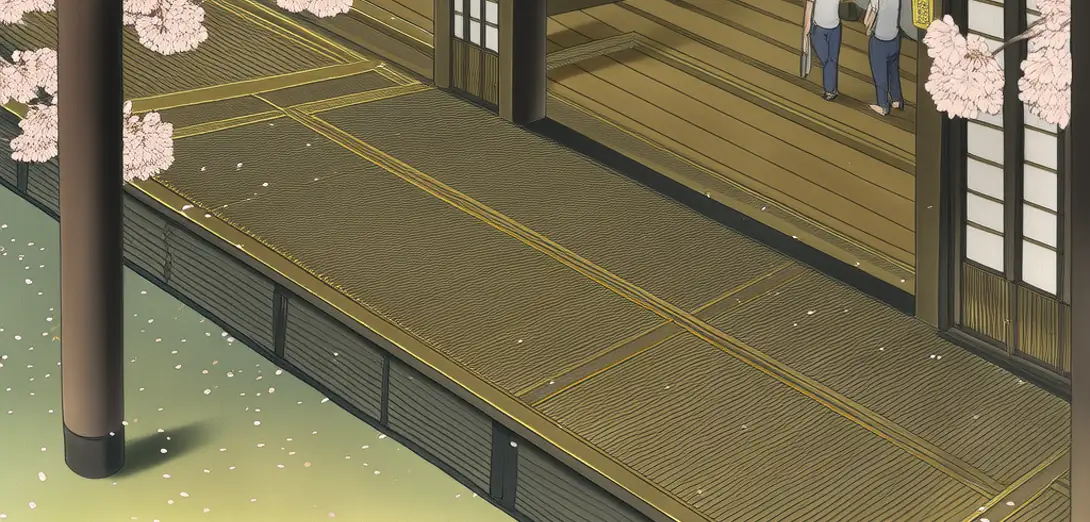
Thermal Expansion Compensation in Kyoto's Kiyomizu-dera Stage Joint Design During Cherry Blossom Season
京都清水寺舞台结构在樱花季中的热胀冷缩补偿机制
-
Engineers embedded brass-inlaid expansion joints into the stage’s century-old hinoki cypress planks to accommodate daily thermal cycling.工程师在舞台百年历史的桧木地板中嵌入黄铜镶嵌伸缩缝,以适应每日温度变化。
-
These joints precisely offset seasonal humidity-driven wood swelling while preserving structural integrity during peak pilgrimage foot traffic.这些伸缩缝精准抵消季节性湿度引起的木材膨胀,同时确保朝圣高峰期人流下的结构完整性。
-
The design reflects a tacit calibration between traditional carpentry knowledge and modern materials science principles.该设计体现了传统木作技艺与现代材料科学原理之间的默契合拍。
-
Monitoring data from embedded strain gauges shows sub-millimeter displacement thresholds are never exceeded across March–April temperature gradients.嵌入式应变计监测数据显示,在3月至4月的温差范围内,位移始终未超过亚毫米阈值。
-
Unlike rigid concrete alternatives, this system allows micro-adjustments without compromising acoustic resonance for Noh performances.与刚性混凝土方案不同,该系统可在不损害能乐演出声学共鸣的前提下实现微调。
-
Cultural continuity is thus engineered—not merely preserved—through reversible, load-distributed mechanical interfaces.文化延续由此被‘工程化’实现——而非简单保存——依靠可逆、荷载分散的机械接口。
-
Maintenance protocols now integrate infrared thermography to map localized stress concentrations before petal-fall accumulation begins.维护规程现已整合红外热成像技术,在落樱堆积前定位局部应力集中区域。
-
Architects refer to this as 'living tolerance', where material behavior informs ritual scheduling rather than constraining it.建筑师称其为‘活体容差’:材料行为引导仪式安排,而非限制其进行。
-
The stage’s cantilevered geometry further amplifies sensitivity to thermal gradients, demanding real-time adaptive monitoring.舞台悬挑结构进一步放大了对温度梯度的敏感性,需实时自适应监测。
-
This interface exemplifies how vernacular construction logic converges with metrological precision in heritage-sensitive infrastructure.这一接口彰显了乡土营造逻辑与计量精度在遗产敏感型基础设施中的融合。
-
No retrofitting was permitted; solutions emerged exclusively from reinterpretation of Edo-period joinery tolerances.禁止任何加装改造;所有方案均源自对江户时期榫卯公差的重新诠释。
-
Such embedded responsiveness transforms passive architecture into an active participant in seasonal cultural chronometry.此类内嵌响应性,将被动建筑转化为季节性文化计时的主动参与者。