正在确认阅读权限…
The Cuban Missile Crisis: Thirteen Days That Shook the World
古巴导弹危机:震动世界的十三天
-
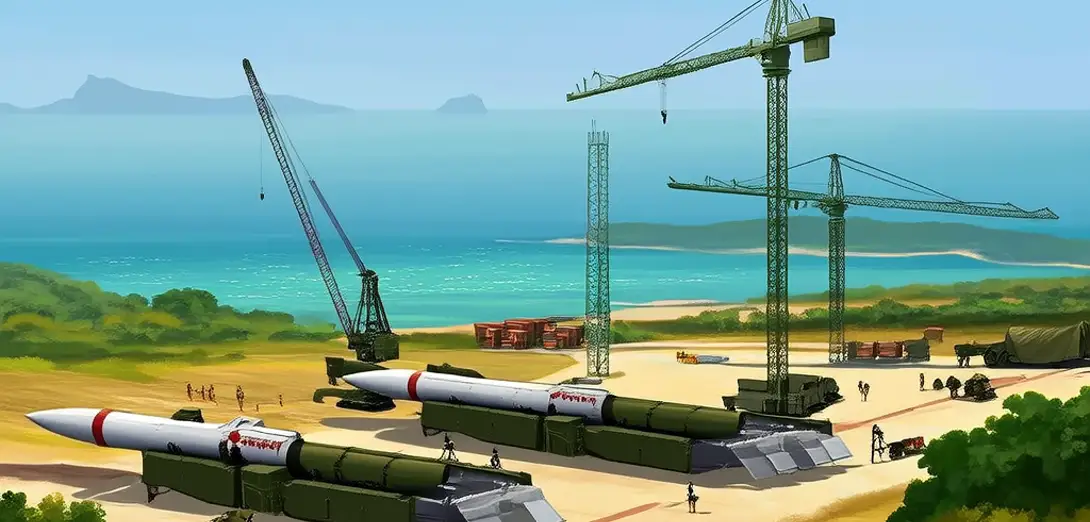
In October 1962, U.S. spy planes photographed Soviet nuclear missile sites under construction in Cuba—just 90 miles from Florida.1962年10月,美国侦察机拍摄到苏联正在古巴修建核导弹基地——距佛罗里达仅90英里。
-
President Kennedy demanded their removal and imposed a naval ‘quarantine’—a carefully worded term to avoid declaring war.肯尼迪总统要求拆除导弹,并实施海军‘隔离’——这一措辞经过精心选择,以避免构成宣战。
-
Soviet ships carrying more missiles approached the line but stopped short, buying time for secret negotiations between Washington and Moscow.运载更多导弹的苏联船只驶近隔离线,但及时停航,为华盛顿与莫斯科之间的秘密谈判争取了时间。
-
Behind closed doors, Khrushchev offered to withdraw missiles if the U.S. pledged not to invade Cuba and removed Jupiter missiles from Turkey.赫鲁晓夫私下提出:若美国承诺不入侵古巴并撤走部署在土耳其的朱庇特导弹,苏联便撤出导弹。
-
Kennedy publicly accepted the first condition, secretly agreed to the second—and kept the Turkey deal hidden for over twenty-five years.肯尼迪公开接受第一项条件,秘密同意第二项,并将土耳其交易隐瞒逾二十五年。
-
The crisis ended on October 28 when Moscow announced dismantling the sites, verified by U.S. aerial surveillance within days.10月28日,莫斯科宣布拆除导弹基地,数日内即由美国空中侦察证实。
-
Both superpowers realized how close they’d come to accidental nuclear war—and established a direct ‘hotline’ between the White House and Kremlin.两大超级大国意识到自己曾多么接近意外核战争,遂在白宫与克里姆林宫间设立直通‘热线’。
-
New arms control talks followed, leading to the Limited Test Ban Treaty of 1963, banning nuclear tests in the atmosphere and oceans.随后展开新的军控谈判,最终促成1963年《部分禁止核试验条约》,禁止在大气层和海洋中进行核试验。
-
Cuban leaders felt sidelined in the agreement, highlighting tensions between allies during Cold War power plays.古巴领导人感到被排除在协议之外,凸显冷战权力博弈中盟友间的紧张关系。
-
Today, historians stress that empathy, restraint, and backchannel communication—not just military strength—prevented catastrophe.如今史学家强调,防止灾难的并非仅靠军事实力,更是同理心、克制与幕后沟通。