正在确认阅读权限…
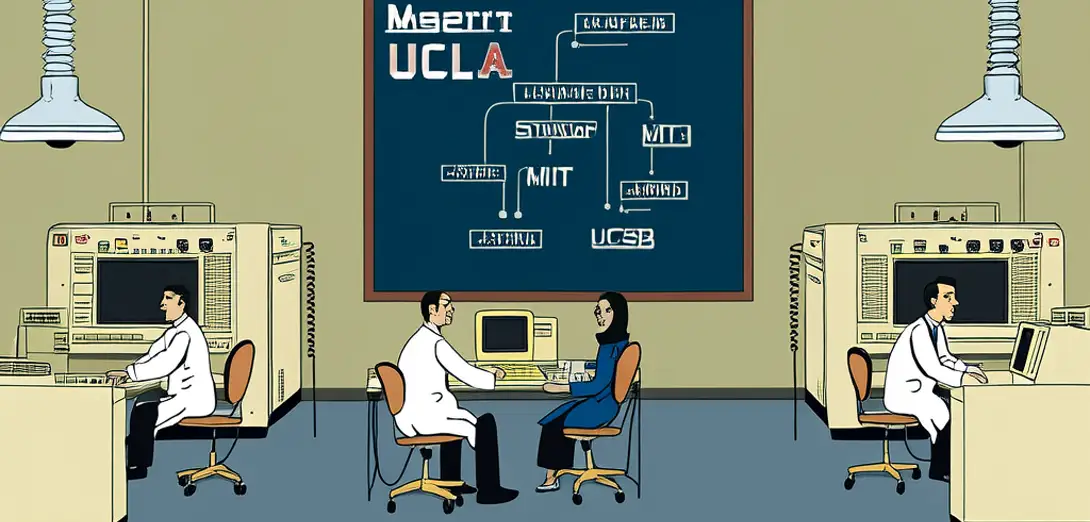
The Internet Goes Public: From Military Tool to Global Network
互联网走向公众:从军事工具到全球网络
-
Developed in the 1960s as ARPANET, the internet began as a U.S. Defense Department project linking university and lab computers for secure data sharing.互联网诞生于20世纪60年代的ARPANET,最初是美国国防部为高校与实验室计算机之间安全共享数据而设立的项目。
-
The 1983 adoption of TCP/IP protocols allowed different networks to communicate—creating the first true ‘internetwork’.1983年TCP/IP协议的采用,使不同网络得以互联互通,由此诞生了首个真正意义上的‘互联网’。
-
In 1989, Tim Berners-Lee invented the World Wide Web at CERN, designing HTML, URLs, and HTTP to simplify information access across systems.1989年,蒂姆·伯纳斯-李在欧洲核子研究中心(CERN)发明万维网,设计HTML、URL和HTTP,以简化跨系统信息访问。
-
Unlike earlier networks, the Web was open, free, and built on non-proprietary standards—inviting global participation without permission.与早期网络不同,万维网开放、免费,且基于非专有标准,无需许可即可全球参与。
-
By 1993, Mosaic—the first popular graphical browser—made websites easy to navigate, sparking rapid growth in personal and business use.到1993年,首个广受欢迎的图形化浏览器Mosaic让网站浏览变得简便,推动个人与商业应用迅猛增长。
-
Email, online forums, and early search tools like Yahoo! reshaped how people communicated, learned, and formed communities.电子邮件、在线论坛及雅虎等早期搜索引擎,重塑了人们的沟通方式、学习途径与社群构建。
-
Governments deregulated telecom markets, private companies invested heavily in fiber optics, and universities opened campus connections widely.各国政府放开电信市场管制,私营企业大力投资光纤建设,高校也广泛开放校园网络接入。
-
Critics warned about digital divides, misinformation, and privacy erosion—even as users embraced e-commerce, remote work, and real-time news.批评者警告数字鸿沟、虚假信息与隐私侵蚀风险,而用户却热衷电子商务、远程办公与实时新闻。
-
No single country or corporation controls the internet’s infrastructure, though governance remains contested among states, tech firms, and civil society.互联网基础设施不受单一国家或公司控制,但其治理权仍在各国政府、科技企业与民间社会间持续博弈。
-
Its evolution reflects a rare convergence of public funding, academic openness, entrepreneurial energy, and user-driven innovation.其演进体现了公共资金投入、学术开放精神、创业活力与用户驱动创新的罕见融合。