正在确认阅读权限…
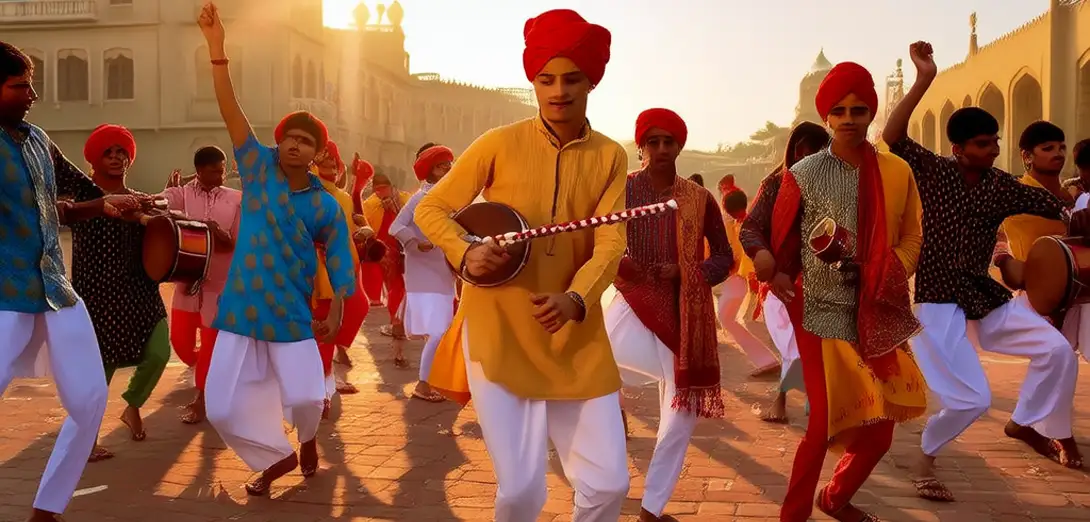
The Garba Dance Circle in Vadodara: Devotional Geometry and Gujarat’s Coastal Trade Routes
巴罗达加尔巴舞圈:虔诚几何学与古吉拉特沿海贸易路线
-
During Navratri, Vadodara’s open squares transform into concentric dance circles guided by rhythmic dhol beats and Gujarati poetry.纳瓦拉特里节期间,巴罗达的露天广场化作同心圆舞阵,伴着节奏分明的达夫鼓点与古吉拉特语诗歌起舞。
-
Dancers move clockwise around clay lamps—not randomly but tracing orbits matching ancient port maps of Bharuch and Khambhat.舞者顺时针绕陶灯而行——并非随意,而是循着布罗奇与坎贝古港地图上的轨道。
-
Women’s mirrored skirts flash light patterns echoing signals once sent between lighthouses along the Arabian Sea coast.女子裙摆缀满镜片,闪烁光纹,仿若昔日阿拉伯海沿岸灯塔间传递的信号。
-
Each circle layer holds symbolic weight: inner rings honor goddess Durga, outer ones salute merchants who funded temples with pepper and indigo profits.每圈皆具象征意义:内圈敬奉女神杜尔迦,外圈致敬以胡椒与靛蓝贸易利润捐建庙宇的商人。
-
Garba songs cite place-names like ‘Zanzibar’ and ‘Muscat’, preserving oral histories of Gujarati sailors’ diaspora.加尔巴歌谣吟唱‘桑给巴尔’‘马斯喀特’等地名,口传保存古吉拉特水手散居海外的历史。
-
Elders teach youth step sequences named after monsoon winds—'Kal Baisakhi' steps mimic sudden gusts off the Rann of Kutch.长者向青年传授以季风命名的舞步——‘卡尔拜萨赫’步法模仿卡奇盐沼骤起的狂风。
-
Clay pots filled with rice sprouts stand at circle centers, linking fertility rites to 17th-century Dutch East India Company grain contracts.圆心置陶罐盛稻芽,将丰产仪式与17世纪荷兰东印度公司谷物契约相联。
-
Even electric dhol machines replicate acoustic frequencies proven to resonate with 16th-century stepwell acoustics.即便电子达夫鼓亦复刻声波频率,确保与16世纪阶梯井的声学特性共振。
-
No choreographer directs—leaders emerge spontaneously based on who remembers oldest verses from handwritten manuscripts.无编舞者指挥——领舞者自发涌现,唯熟记手抄本最古老诗句者方能担此任。
-
This dance persists not as folklore but as living infrastructure connecting faith, trade, and tidal knowledge.此舞存续非为 folklore(民间传说),而是联通信仰、商贸与潮汐知识的活态基础设施。