正在确认阅读权限…
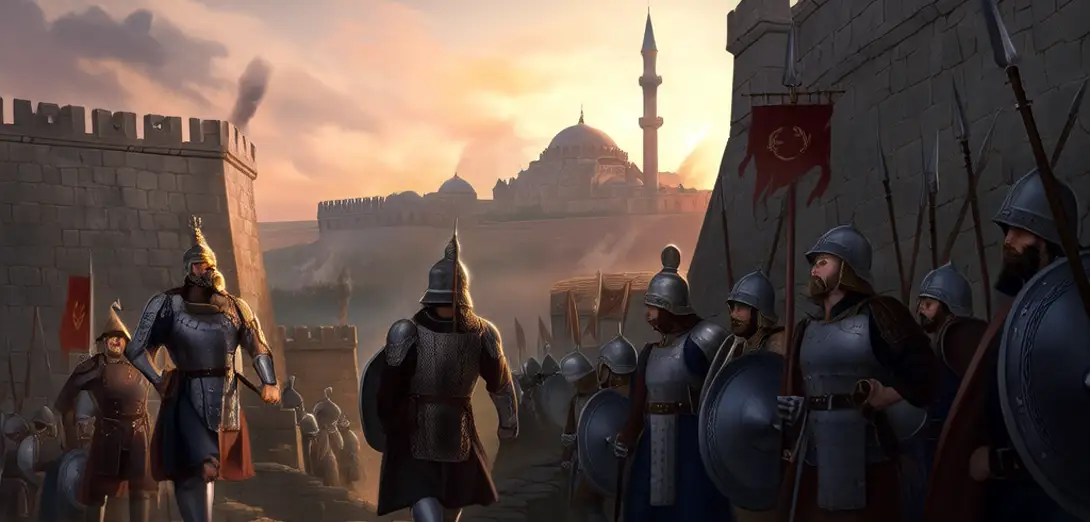
The Fall of Constantinople: End of an Empire, Start of a New Era
君士坦丁堡陷落:一个帝国的终结与新时代的开启
-
On May 29, 1453, Ottoman forces led by Sultan Mehmed II broke through the ancient walls of Constantinople after a 53-day siege.1453年5月29日,穆罕默德二世率领的奥斯曼军队经过53天围攻,攻破君士坦丁堡古老城墙。
-
The Byzantine Empire, which had lasted nearly 1,100 years since its founding by Constantine, collapsed with the death of Emperor Constantine XI.自君士坦丁大帝建国以来延续近1100年的拜占庭帝国,随着末代皇帝君士坦丁十一世战死而灭亡。
-
Ottoman engineers used massive cannons—some over 26 feet long—to blast gaps in defenses built centuries earlier.奥斯曼工程师动用巨型火炮——部分长达26英尺以上——轰塌了数世纪前修建的防御工事。
-
Greek scholars fleeing west carried precious manuscripts of ancient philosophy, science, and poetry to Italian cities like Florence and Venice.逃往西欧的希腊学者携带着珍贵的古希腊哲学、科学与诗歌手稿,抵达佛罗伦萨、威尼斯等意大利城市。
-
This influx helped fuel the Renaissance by reconnecting European thinkers with classical knowledge long lost in the West.这批典籍的涌入助力文艺复兴,使欧洲思想家重新接续了西方早已失传的古典知识。
-
Mehmed declared the Hagia Sophia a mosque, preserving its architecture while adapting it for Islamic worship.穆罕默德将圣索菲亚大教堂改为清真寺,在保留其建筑原貌的同时适配伊斯兰礼拜需求。
-
Control of key trade routes shifted from Christian merchants to Ottoman and Arab networks, raising prices for spices and silks in Europe.关键商路控制权从基督教商人转至奥斯曼与阿拉伯网络,导致欧洲香料和丝绸价格飙升。
-
European powers soon sought new sea routes eastward—motivating voyages by da Gama and Columbus in the following decades.欧洲列强随即急于开辟通往东方的新航路——由此催生了达·伽马与哥伦布等人在随后几十年的远航。
-
Though often framed as a ‘clash of civilizations’, the city’s fall also involved complex alliances, including Genoese defenders and Turkish converts.尽管常被描述为‘文明冲突’,但该城陷落实则牵涉复杂联盟,包括热那亚守军与皈依伊斯兰教的土耳其人。
-
Modern Istanbul still bears layers of Byzantine, Ottoman, and republican history—visible in its streets, domes, and daily life.今日伊斯坦布尔街头、穹顶与日常生活中,仍清晰叠印着拜占庭、奥斯曼与共和国三重历史印记。