The Weight of Greeting: How Handshakes, Bows, and Eye Contact Signal Social Architecture
问候的分量:握手、鞠躬与眼神接触如何映射社会结构
课文音频
可先听下面的整段朗读;需要逐句点读时,请打开阅读器,体验会更顺手。
课文
-
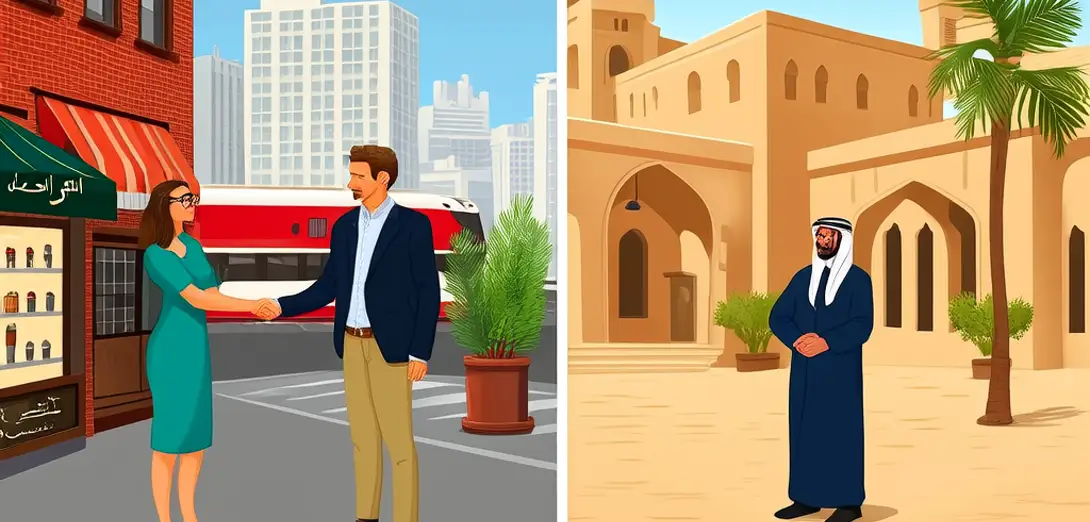
A firm handshake in Chicago signals confidence, yet the same pressure in Riyadh may read as aggression toward elders or religious authorities.
在芝加哥,坚定的握手彰显自信;但在利雅得,同样的力度可能被视作对长者或宗教权威的冒犯。
-
In Tokyo, the depth and duration of a bow encode precise information about seniority, obligation, and apology—not mere politeness but social accounting.
在东京,鞠躬的深度与持续时间精确传递着资历、义务与歉意——这不仅是礼貌,更是社会关系的记账方式。
-
Brazilian greetings often involve prolonged eye contact and simultaneous physical touch, reflecting cultural prioritization of relational immediacy over procedural formality.
巴西人打招呼时常保持长时间眼神接触并同步进行身体接触,体现其文化更重视关系的即时性,而非程序化的礼节。
-
Meanwhile, in Finland, minimal eye contact during introductions expresses respect for personal boundaries, not disengagement or coldness.
而在芬兰,初次见面时避免过多眼神接触,表达的是对个人边界的尊重,而非疏离或冷漠。
-
In Morocco, refusing tea offered during a business meeting isn’t rudeness—it’s rejecting the host’s symbolic offer of hospitality-as-contract.
在摩洛哥,商务会谈中谢绝茶饮并非失礼——而是拒绝主人以 hospitality(待客之道)为象征的契约式款待。
-
Gestures gain meaning not in isolation but through their contrast with local norms of bodily autonomy, temporal rhythm, and relational debt.
手势的意义不在于孤立存在,而源于其与当地关于身体自主、时间节奏及关系债务规范的对比。
-
Western diplomatic protocols once dismissed ‘excessive’ bowing as subservience, ignoring its function in maintaining hierarchical continuity without explicit enforcement.
西方外交礼仪曾将‘过度’鞠躬贬为屈从,却忽视了它在无需明令强制的情况下维系等级连续性的功能。
-
Similarly, avoiding direct eye contact with authority figures in parts of Ghana signifies deference rooted in Akan concepts of wisdom-as-restraint.
同样,在加纳部分地区,回避与权威人物的直接眼神接触,体现的是阿坎文化中‘智慧即克制’的敬意观念。
-
Digital communication has amplified these tensions: a delayed reply on WhatsApp may indicate thoughtfulness in Germany but indifference in Nigeria, where responsiveness affirms connection.
数字通信加剧了这些张力:WhatsApp上延迟回复在德国可能代表深思熟虑,但在尼日利亚却被视为冷漠——当地文化中及时回应即确认联结。
-
Training programs that reduce greetings to ‘dos and don’ts’ risk reinforcing stereotypes instead of illuminating systemic logics of respect.
将问候简化为‘该做与不该做’的培训项目,非但未能揭示尊重背后的系统性逻辑,反而可能固化刻板印象。
-
True competence lies in recognizing when a gesture serves as scaffolding for trust, not as decoration for civility.
真正的跨文化能力在于识别:某个手势是信任建立的脚手架,而非文明表象的装饰。
-
Understanding greeting architecture means seeing how bodies negotiate power, memory, and mutual expectation before a single agenda item is discussed.
理解问候的架构,意味着看清身体如何在讨论任何议程之前,已就权力、记忆与相互期待展开协商。
Go deeper · 在阅读器里可以
- Listen line-by-line — 逐句点读与跟读,把「听懂」练成习惯。
- Save & review — 加入书架,方便下次接着练。
- Unlock more lessons — 后续课时与全书音频可在阅读器中按单本或会员继续使用。
本课重点词汇
点击下列单词可查看中文释义与音标;若首次查询,系统可能需要几秒钟准备结果。想建立长期词汇习惯(选词、复习、词根、语块等),可配合 词汇学习汇总 一起用。
本课学习要点
篇名提示:中文标题「问候的分量:握手、鞠躬与眼神接触如何映射社会结构」与英文标题对照,可帮助您快速判断本篇话题与难度是否合适。
下面是与本课难度相关的语法与阅读策略提示;系统复习时打开 语法指南,点左边即可跳到对应段落。
本课可能出现复合句、非谓语结构或正式用语。遇到长句时,先划出主句谓语,再处理从句与插入语;注意时态、语态与语气是否在全文保持一致。
写作迁移时,可尝试用中文先写出逻辑链,再逐句换成英文,避免一上来就堆长句。
小提示:并列句里 and/but/or 连接的两个部分,时态通常保持一致或按时间逻辑递进。