Silent Respect: The Japanese Tea Ceremony in Kyoto
静默的敬意:京都茶道
课文音频
可先听下面的整段朗读;需要逐句点读时,请打开阅读器,体验会更顺手。
课文
-
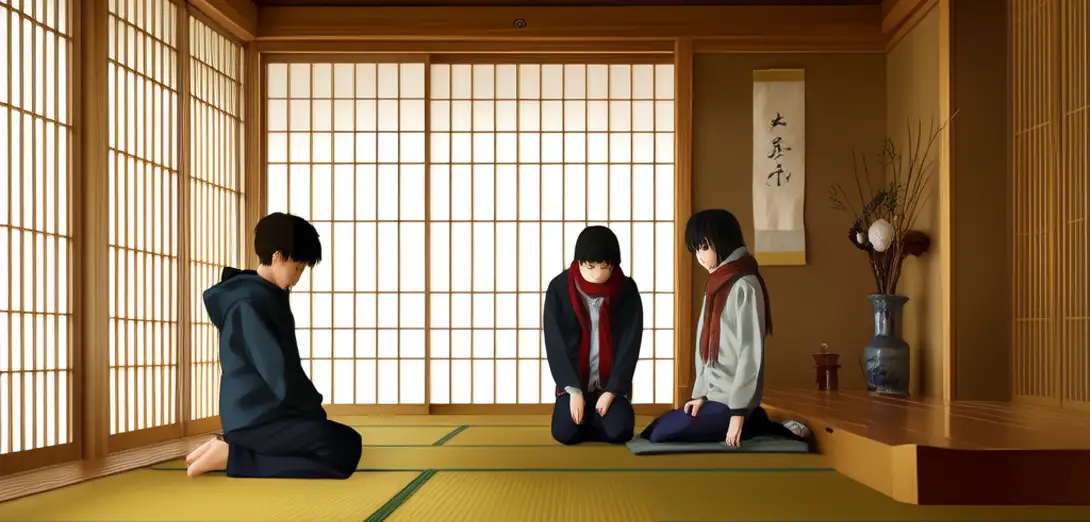
In a quiet wooden teahouse near Fushimi Inari, guests remove their shoes before stepping onto tatami mats.
在京都伏见稻荷大社附近一家静谧的木制茶室里,客人进门后需脱鞋,再踏上榻榻米。
-
The host bows slightly as each guest enters, and everyone sits seiza-style—kneeling with backs straight.
主人微微鞠躬迎接每位客人,众人则正襟危坐,双膝跪地、腰背挺直。
-
Every movement—from washing the bamboo ladle to whisking matcha—is precise, slow, and deeply intentional.
每个动作——从清洗竹勺到搅打抹茶——都精准、缓慢而充满深意。
-
Guests admire the simple scroll and seasonal flower arrangement before accepting the bowl with both hands.
客人先欣赏壁龛中简洁的挂轴与应季花艺,再双手接过茶碗。
-
They rotate it twice to avoid drinking from the front, then sip quietly while appreciating its bitter warmth.
他们将茶碗轻轻转两下,避开正面饮用,然后静默啜饮,细细品味那份微苦与温润。
-
No small talk occurs during preparation because silence itself honors the moment’s purity and presence.
点茶过程中不交谈,因为寂静本身即是对当下纯净与专注的敬意。
-
This ritual reflects Zen principles: mindfulness, humility, and harmony between people and nature.
这一仪式体现禅宗精神:正念、谦逊,以及人与自然的和谐。
-
Foreign visitors often attend introductory workshops where instructors explain symbolism without rushing.
外国游客常参加入门工作坊,讲师不疾不徐地讲解其中象征意义。
-
Even a dropped spoon or spilled tea is accepted calmly—not as failure, but as part of impermanence.
即便勺子掉落或茶水洒出,也泰然处之——这并非失误,而是无常的一部分。
-
After the final bow, guests leave feeling centered, not just caffeinated.
最后一礼之后,客人离去时内心沉静,而不只是提神醒脑。
Go deeper · 在阅读器里可以
- Listen line-by-line — 逐句点读与跟读,把「听懂」练成习惯。
- Save & review — 加入书架,方便下次接着练。
- Unlock more lessons — 后续课时与全书音频可在阅读器中按单本或会员继续使用。
本课重点词汇
点击下列单词可查看中文释义与音标;若首次查询,系统可能需要几秒钟准备结果。想建立长期词汇习惯(选词、复习、词根、语块等),可配合 词汇学习汇总 一起用。
本课学习要点
篇名提示:中文标题「静默的敬意:京都茶道」与英文标题对照,可帮助您快速判断本篇话题与难度是否合适。
下面是与本课难度相关的语法与阅读策略提示;系统复习时打开 语法指南,点左边即可跳到对应段落。
本课可能混合多种时态或从句。建议先标出每个谓语动词,判断它属于哪条时间线(现在、过去还是将来),再看从句由哪个词引导、修饰谁。
遇到被动结构 be + 过去分词,先还原「谁做了什么」,再理解作者想突出的是动作还是承受者。
小提示:读到以 -ly 结尾的副词时,试着和前面的动词连起来理解:它往往说明动作「怎样」发生。