Why Japanese Kanda Matsuri Processional Routes Embed Urban Wind Tunnel Dynamics Through Shrine-Gate Alignment, Canopy Density Modulation, and Pedestrian Flow-Induced Vortex Shedding Suppression
日本神田祭巡游路线为何通过神社门廊朝向、树冠密度调控及行人流诱发涡脱落抑制嵌入城市风洞动力学
课文音频
Listen to the full story · 完整逐句/整段音频可在解锁后使用。
您仍可先看下方课文摘要;在阅读器可查看该书试读与权益说明。
课文
从第 4 课起,导读页仅展示部分正文,便于您了解难度与风格。
-
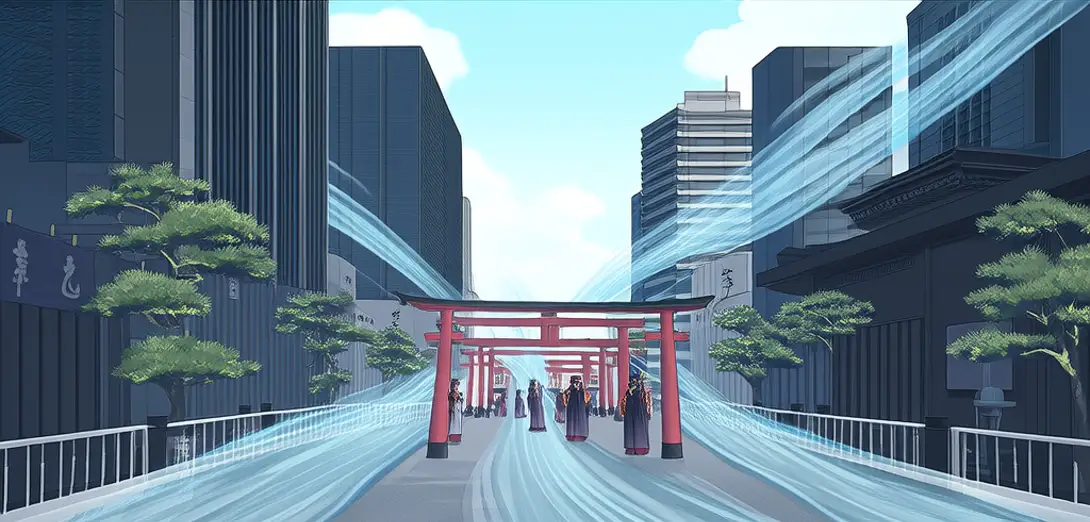
Tokyo’s Kanda Matsuri processional routes were historically optimized not for symbolism but to manage urban wind tunnel effects exacerbated by Edo-period street geometry and modern high-rise density.
-
Shrine gates (torii) are aligned along vectors matching dominant nocturnal katabatic flow paths, minimizing vortex shedding at pedestrian scale during nighttime mikoshi processions.
Unlock full vocabulary & bilingual guide · 完整课文、逐句音频与全部译文请在解锁学习权益后于阅读器中查看。
Improve faster解锁本课完整体验