正在确认阅读权限…
How Do Bats Find Their Way in the Dark?
蝙蝠是如何在黑暗中找到方向的?
-
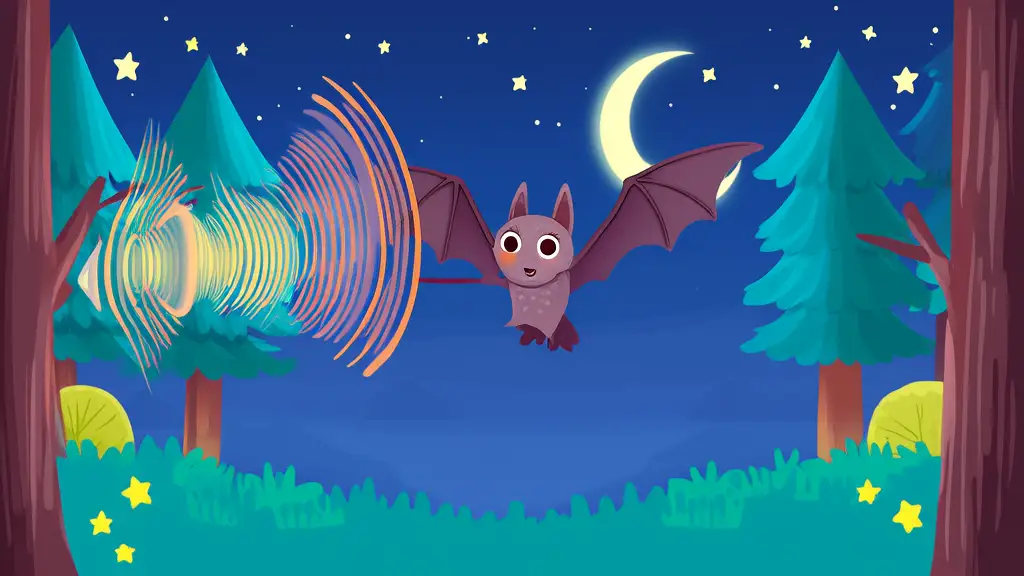
Bats cannot see well in total darkness, so they use sound instead of light.蝙蝠在完全黑暗中视力很差,因此依靠声音而非光线来感知环境。
-
They send out high-pitched squeaks that humans cannot hear.它们发出人类听不到的高频尖叫声。
-
These sounds bounce off walls, trees, and flying insects nearby.这些声音会从墙壁、树木及附近的飞虫身上反射回来。
-
The bat listens carefully to the returning echoes to build a mental map.蝙蝠仔细聆听返回的回声,从而构建脑海中的空间地图。
-
This process, called echolocation, helps them fly and catch food precisely.这种称为回声定位的过程,帮助它们精准飞行和捕食。
-
Different bat species adjust their calls based on where they hunt and what they eat.不同蝙蝠种类会根据栖息地和食物类型调整叫声。
-
Their large ears and sensitive hearing allow them to detect tiny time differences in echoes.它们巨大的耳朵和敏锐的听力,能察觉回声中极微小的时间差。
-
Even baby bats practice echolocation before they can fly steadily.幼蝠甚至在尚未稳定飞行前就开始练习回声定位。
-
Some moths have evolved ears to hear bat calls and escape quickly.一些蛾子进化出听觉器官,可探测蝙蝠叫声并迅速逃脱。
-
Studying bat navigation helps engineers design better sonar and robot sensors.研究蝙蝠导航方式有助于工程师设计更优的声呐和机器人传感器。