正在确认阅读权限…
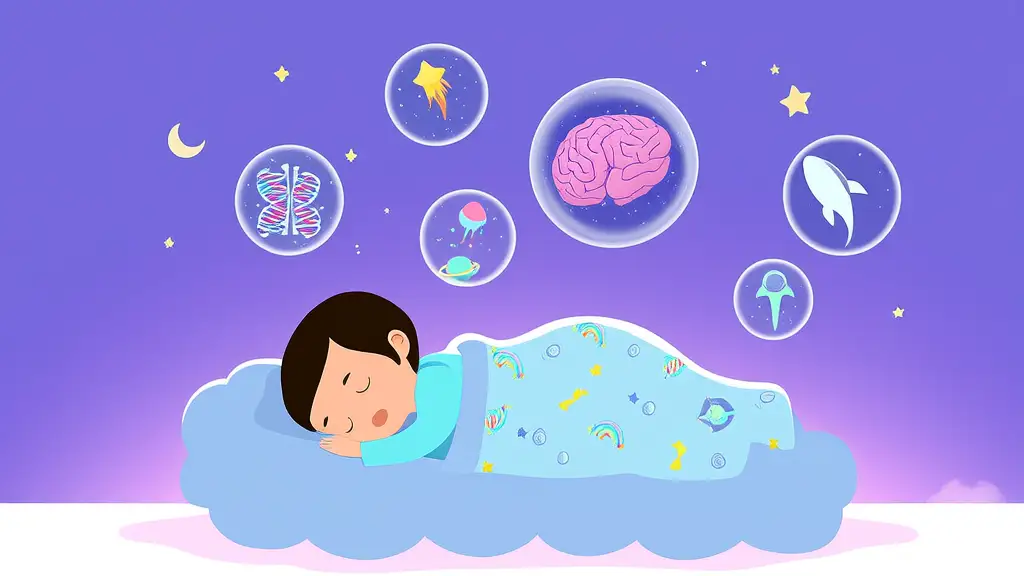
Why Do We Dream?
我们为什么会做梦?
-
Dreams mostly happen during REM sleep, a stage when your brain is highly active but your body is temporarily paralyzed.梦境大多发生在快速眼动(REM)睡眠阶段,此时大脑高度活跃,但身体暂时瘫痪。
-
During REM, areas involved in emotion, memory, and visual processing light up, while logic and self-awareness centers stay quieter.REM期间,负责情绪、记忆和视觉处理的脑区活跃,而逻辑和自我意识相关区域则相对安静。
-
This explains why dreams often feel vivid and emotional, yet lack clear cause-and-effect reasoning or time awareness.这解释了为何梦境往往生动而富有情绪,却缺乏清晰的因果逻辑或时间感知。
-
One theory suggests dreaming helps the brain sort and store memories from the day—strengthening useful ones and fading irrelevant details.一种理论认为,做梦有助于大脑整理并储存当日记忆——强化有用信息,淡化无关细节。
-
People deprived of REM sleep often struggle more with learning new tasks or recalling recent events.被剥夺REM睡眠的人,常更难学习新任务或回忆近期事件。
-
Another idea proposes that dreams act like mental simulations, letting us rehearse responses to threats or social situations safely.另一种观点提出,梦境如同心理模拟,让我们能安全地预演应对威胁或社交情境的反应。
-
Nightmares might reflect real anxieties, but frequent ones can also result from fever, medication, or irregular sleep schedules.噩梦可能反映真实焦虑,但频繁出现也可能由发烧、药物或作息紊乱引发。
-
Lucid dreaming—when you know you’re dreaming and sometimes control the story—is possible for some people with practice.清醒梦——即意识到自己在做梦,有时还能控制梦境情节——部分人通过练习可以做到。
-
Blind people who lost sight after age five often dream visually, while those born blind experience dreams dominated by sound, touch, and emotion.五岁后失明者常有视觉梦境,而先天失明者则主要依靠声音、触觉和情绪体验梦境。
-
Though we spend about six years of our lives dreaming, no one fully understands why it evolved—or whether all animals dream.尽管人一生约有六年在做梦,但至今无人完全明白其演化原因,也不确定所有动物是否都会做梦。