正在确认阅读权限…
Why Does Ice Float on Water?
为什么冰能浮在水面上?
-
Most substances become denser when they solidify, but water behaves unusually—it expands by about 9% when freezing into ice.大多数物质凝固时密度增大,但水却反常——结冰时体积膨胀约9%。
-
This happens because water molecules form open hexagonal lattices held together by hydrogen bonds as they cool below 4°C.这是因为水温降至4°C以下时,水分子通过氢键形成疏松的六边形晶格结构。
-
The spaces between molecules increase, lowering ice’s density to about 0.92 g/cm³—less than liquid water’s 1.00 g/cm³.分子间距增大,使冰的密度降至约0.92 g/cm³,低于液态水的1.00 g/cm³。
-
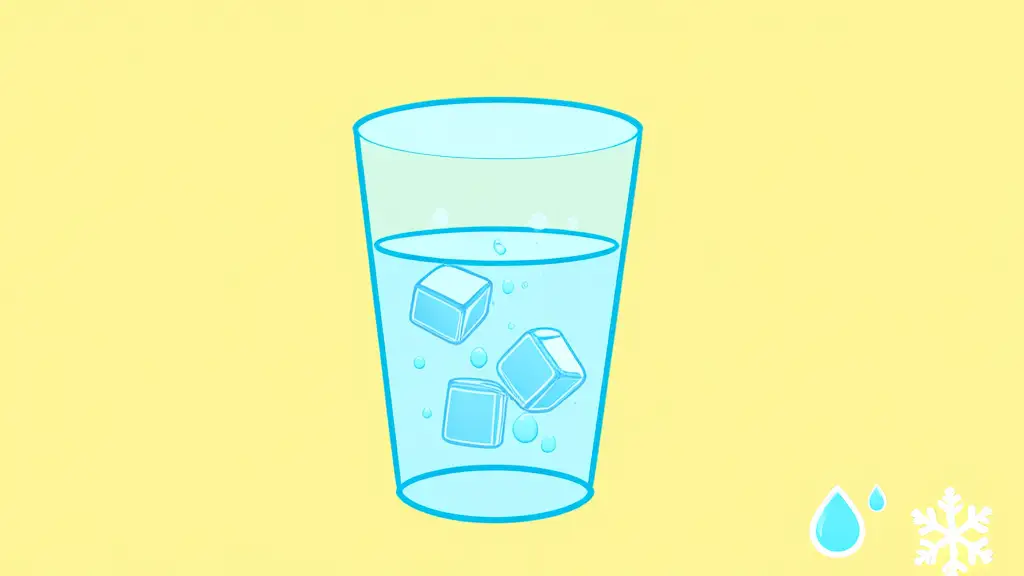
Because ice is less dense, it floats rather than sinks, insulating lakes and rivers from freezing solid in winter.正因冰密度更小,它能浮于水面,从而隔绝热量,防止湖泊和河流在冬季完全封冻。
-
If ice sank, freshwater ecosystems would freeze from the bottom up, killing fish and disrupting seasonal cycles.若冰沉入水底,淡水生态系统将自下而上冻结,导致鱼类死亡并扰乱季节循环。
-
This property also causes pipes to burst in cold weather—water expands as it freezes inside narrow metal tubes.这一特性还会导致寒冷天气中水管爆裂——水在狭窄金属管内结冰时体积膨胀。
-
Scientists call water’s density peak at 4°C one of its ‘anomalous properties,’ shared by very few other liquids.科学家将水在4°C时密度最大这一现象称为其‘反常性质’,极少有其他液体具备。
-
Antifreeze works by disrupting hydrogen bonding, preventing water molecules from forming rigid ice crystals easily.防冻剂通过干扰氢键,阻碍水分子轻易形成刚性冰晶来发挥作用。
-
You can observe this density difference by layering colored saltwater, freshwater, and ice cubes in a tall glass.你可在高玻璃杯中分层加入有色盐水、淡水和冰块,直观观察这种密度差异。
-
Even deep ocean water stays liquid under high pressure because salt lowers the freezing point and suppresses lattice formation.即使在高压的深海,海水仍保持液态,因为盐分降低了冰点并抑制晶格形成。