正在确认阅读权限…
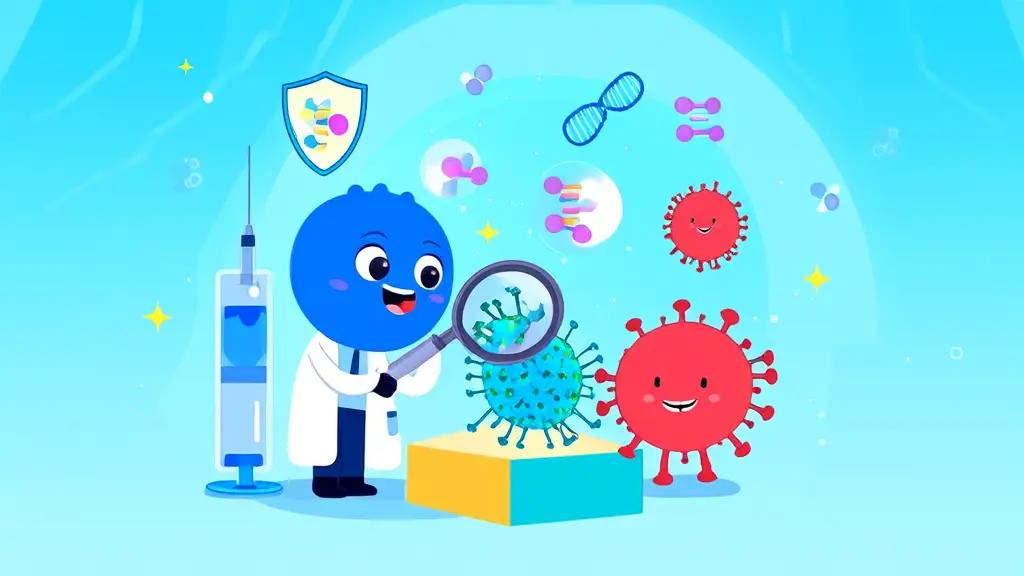
How Do Vaccines Train Your Immune System?
疫苗如何训练我们的免疫系统?
-
Vaccines introduce harmless versions of germs—or just key parts of them—so your body can practice fighting without getting sick.疫苗引入无害的病原体或其关键成分,让身体在不生病的情况下练习防御。
-
Your immune system responds by producing specialized white blood cells called B cells and T cells that recognize the invader’s unique markers.免疫系统会生成能识别病原体特有标记的B细胞和T细胞。
-
Some of those cells become ‘memory cells,’ which remain in your body for years or even decades after vaccination.其中部分细胞会变成‘记忆细胞’,可在体内存留数年甚至数十年。
-
If the real pathogen later enters your body, memory cells activate much faster and stronger than during the first encounter.若真实病原体日后入侵,记忆细胞的反应会比初次接触时更快、更强。
-
This rapid response usually stops infection before symptoms develop—or makes illness far milder and shorter.这种快速反应通常能在症状出现前阻止感染,或使疾病更轻、更短。
-
mRNA vaccines, like those used for COVID-19, deliver genetic instructions so your own cells temporarily make a harmless viral protein.mRNA疫苗(如新冠疫苗)向人体细胞提供遗传指令,使其短暂制造一种无害的病毒蛋白。
-
Your immune system then learns to target that protein, just as it would during a real infection.免疫系统随即学会识别并攻击该蛋白,如同遭遇真实感染。
-
Booster shots refresh memory cell numbers and improve protection, especially as immunity naturally fades over time.加强针可提升记忆细胞数量,增强保护力,尤其当免疫力随时间自然下降时。
-
Vaccines don’t overload your immune system—your body deals with thousands of foreign molecules every day from food and air.疫苗不会压垮免疫系统——人体每天都会通过食物和空气接触成千上万种外来分子。
-
Herd immunity emerges when enough people are protected, making it harder for diseases to spread and shielding those who can’t be vaccinated.当足够多的人获得免疫,群体免疫便形成,疾病更难传播,从而保护无法接种者。