正在确认阅读权限…
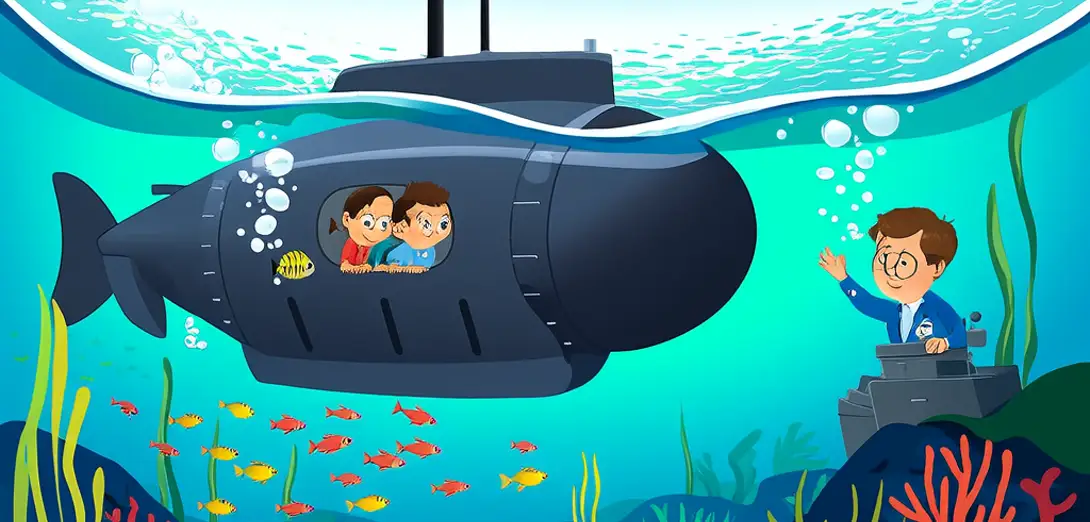
How Do Submarines Control Their Depth Underwater?
潜艇如何控制水下的深度?
-
Submarines control depth using ballast tanks that fill with water to sink or air to rise.潜艇通过压载水舱控制深度:注水下沉,充气上浮。
-
When valves open, seawater rushes in and increases the sub’s overall density beyond seawater.阀门打开时,海水涌入,使潜艇整体密度超过海水。
-
To ascend, compressed air pushes water out of the tanks, making the vessel lighter than water.上浮时,压缩空气将水排出水舱,使艇体比重小于水。
-
Hydroplanes—small wing-like fins—tilt upward or downward to steer while moving forward.水下舵——类似机翼的小型鳍片——在前进时上下倾斜以控制航向。
-
Even tiny imbalances in weight distribution require constant fine-tuning by onboard computers.即使重量分布出现微小失衡,也需要艇载计算机持续精细调整。
-
Nuclear-powered subs can stay submerged for months because they don’t need surface air for engines.核动力潜艇无需为发动机获取海面空气,可连续潜航数月。
-
Modern subs also use sonar to map nearby terrain and avoid underwater mountains or cliffs.现代潜艇还利用声呐测绘周边地形,避开水下山岭或断崖。
-
Emergency blow systems release high-pressure air instantly if the crew must surface fast.紧急吹除系统可在船员需快速上浮时瞬间释放高压空气。
-
Saltwater density changes with temperature and salinity, so depth sensors adjust continuously.海水密度随温度和盐度变化,因此深度传感器需持续校准。
-
Every dive begins with careful calculations to ensure safe pressure limits for the hull.每次下潜前都须精确计算,确保艇体承受压力在安全范围内。