正在确认阅读权限…
Japan’s Obon Festival: Honoring Ancestors with Light and Dance
日本盂兰盆节:以灯火与舞蹈缅怀先人
-
Obon is a Buddhist festival in Japan that lasts for three days each summer.盂兰盆节是日本每年夏季为期三天的佛教节日。
-
Families clean graves, offer food, and light small paper lanterns called chochin.家人会清扫墓地、供奉食物,并点燃名为“提灯”的小型纸灯笼。
-
Many people return to their hometowns during Obon, making it one of Japan’s busiest travel periods.许多人在盂兰盆节期间返乡,使其成为日本最繁忙的出行时段之一。
-
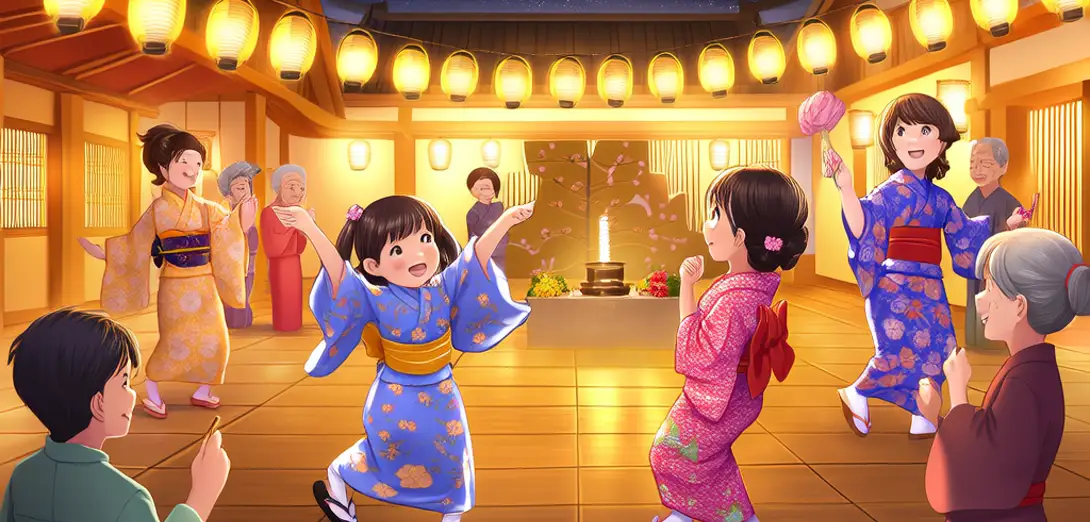
Bon Odori dances are performed in yukata—light cotton kimonos—under open skies.人们身着轻便棉质浴衣,在露天跳起盆踊舞。
-
These circular dances symbolize joy, gratitude, and the gentle return of ancestral spirits.这种环形舞蹈象征喜悦、感恩,以及祖先灵魂的温柔归来。
-
Unlike Western holidays focused on celebration, Obon emphasizes quiet reflection and filial duty.与侧重欢庆的西方节日不同,盂兰盆节强调静思与孝道。
-
Children often join elders in lighting lanterns, learning how respect flows across generations.孩子常随长辈一起点灯,在代际间传承敬意。
-
In Kyoto, the famous Gozan no Okuribi sends giant fire characters down mountains at dusk.在京都,著名的“五山送火”仪式于黄昏时分在山上燃起巨大的火焰文字。
-
Though modern life has shortened some rituals, most Japanese still observe Obon with sincerity.尽管现代生活缩短了一些仪式,大多数日本人仍真诚地过盂兰盆节。
-
Visitors who watch silently or join a dance circle are welcomed as part of the shared memory.静静观看或加入舞蹈圈的访客,都被视为共享记忆的一份子。