正在确认阅读权限…
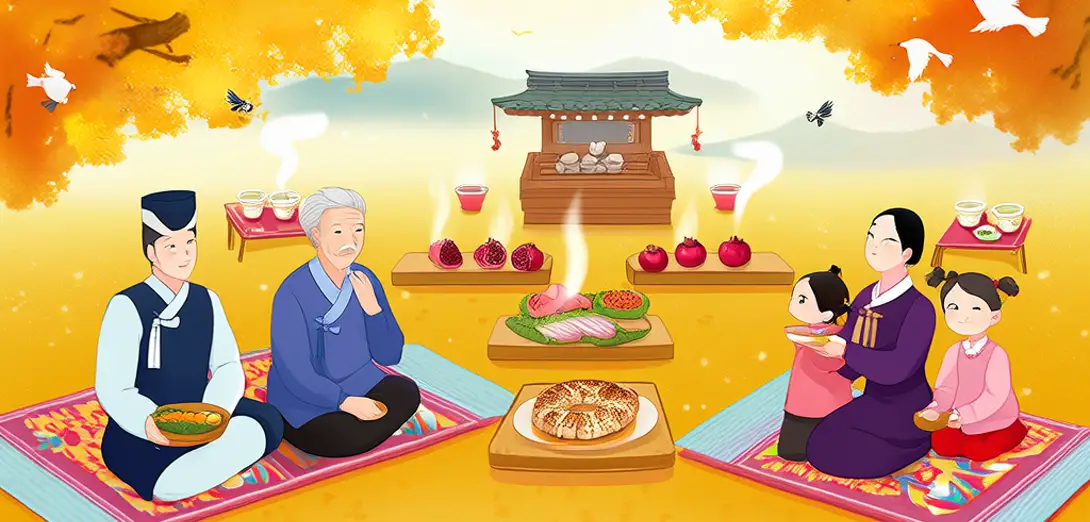
South Korea’s Chuseok: Harvest Thanksgiving and Filial Piety in Motion
韩国秋夕:丰收感恩与流动的孝道
-
Chuseok, Korea’s major harvest festival, lasts three days and combines thanksgiving, ancestor veneration, and family reunion.秋夕是韩国重要的丰收节,为期三天,融合了感恩、祭祖与家庭团聚。
-
Before dawn, families perform charye—a formal ancestral rite—with freshly harvested rice, fruits, and steamed pancakes.天未亮,家人便举行茶礼——庄重的祭祖仪式,供奉新收的稻米、水果和蒸制的松饼。
-
They visit ancestral graves to clean stones, trim weeds, and bow deeply—this ritual is called seongmyo.他们前往祖先墓地清理石碑、修剪杂草,并深深鞠躬,这一仪式称为省墓。
-
Traditional foods like songpyeon—half-moon rice cakes filled with sesame or beans—are shaped by hand to carry wishes.传统食物如松饼——半月形芝麻或豆沙馅糯米糕——手工捏制,寄托美好心愿。
-
Because Chuseok falls during Korea’s busiest travel period, highways jam with cars heading to rural hometowns.因秋夕恰逢韩国最繁忙的出行季,高速公路车流涌向乡下老家。
-
Young adults often film short videos of grandparents cooking, later posting them with subtitles for global cousins.许多年轻人会拍摄祖父母做饭的短视频,配上字幕分享给海外的堂表亲。
-
Modern workplaces grant extra leave so employees can fulfill duties across generations and geography.现代职场常额外放长假,方便员工跨越代际与地域履行节日责任。
-
Some urban families adapt rituals—holding charye in apartments with miniature altars when graves are far away.一些城市家庭因地制宜——当祖坟遥远时,在公寓里设微型祭坛举行茶礼。
-
Chuseok reminds Koreans that gratitude isn’t passive; it’s practiced through labor, memory, and presence.秋夕提醒韩国人:感恩不是被动情绪,而是通过劳作、记忆与陪伴践行。
-
For Korean adoptees abroad, learning to make songpyeon becomes both culinary skill and quiet bridge to erased roots.对海外韩裔收养者而言,学习制作松饼既是烹饪技艺,也是悄然连接被抹去的根源。