正在确认阅读权限…
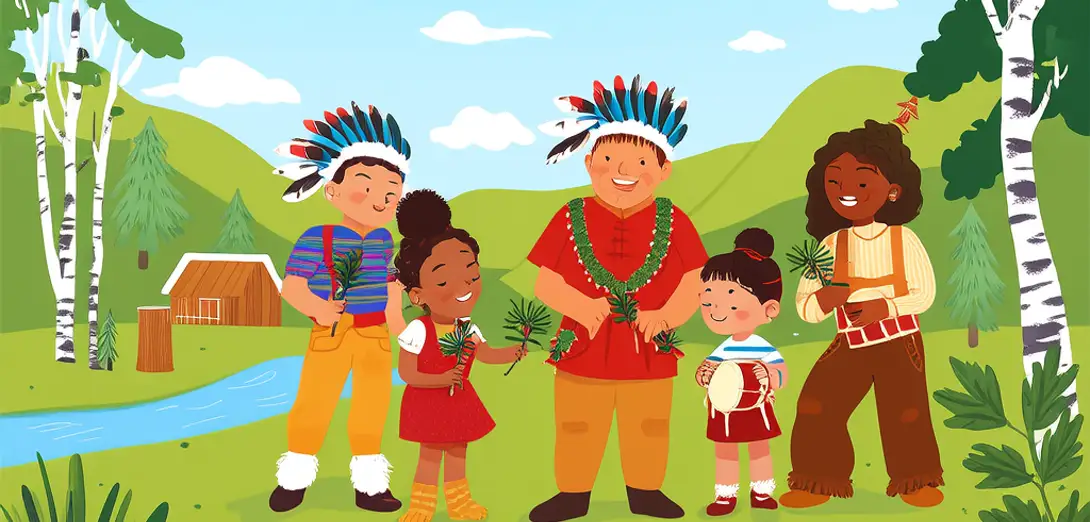
Canada’s National Indigenous Peoples Day: Language, Land, and Resilience
加拿大原住民日:语言、土地与韧性
-
Celebrated on June 21, National Indigenous Peoples Day honors First Nations, Inuit, and Métis cultures across Canada.6月21日是加拿大原住民日,致敬该国第一民族、因纽特人和梅蒂斯人的文化。
-
It coincides with the summer solstice—the longest day—reflecting Indigenous relationships with natural cycles and light.这一天恰逢夏至——一年中白昼最长的一天,体现原住民与自然节律及光明的深刻联结。
-
Communities host drum circles, throat singing, traditional games, and storytelling sessions where elders speak in Cree or Inuktitut.各地社区举办鼓圈、喉音歌唱、传统游戏和故事分享会,长者常用克里语或因纽特语讲述。
-
Language revitalization is central: youth workshops teach Michif phrases or Ojibwe verbs using apps and song lyrics.语言复兴是核心:青年工作坊借助应用程序和歌词教授米奇夫语短语或奥吉布瓦语动词。
-
Land acknowledgments—spoken before events—name original territories, transforming ceremony into everyday accountability.活动前宣读土地归属声明,点明原住领土名称,将仪式转化为日常责任。
-
Artists carve totem poles or stitch beadwork depicting clan animals, preserving oral histories in tangible form.艺术家雕刻图腾柱或缝制珠饰,描绘氏族动物,以有形方式传承口述历史。
-
Schools invite Knowledge Keepers to teach students how maple syrup harvesting connects to seasonal stewardship.学校邀请知识守护者向学生讲解枫糖采集如何体现对季节更替的守护责任。
-
Digital archives now store thousands of recordings of endangered languages, created by Indigenous linguists themselves.数字档案库现已收录数千条濒危语言录音,均由原住民语言学家亲自制作。
-
Non-Indigenous allies are encouraged to listen more than speak, and to support land-back initiatives meaningfully.非原住民盟友被鼓励多倾听、少发言,并切实支持‘归还土地’倡议。
-
This day isn’t just recognition—it’s an invitation to learn, repair, and walk differently on shared ground.这一天不仅是认可,更是邀请人们学习、修复关系,并在共有的土地上重新行走。