正在确认阅读权限…
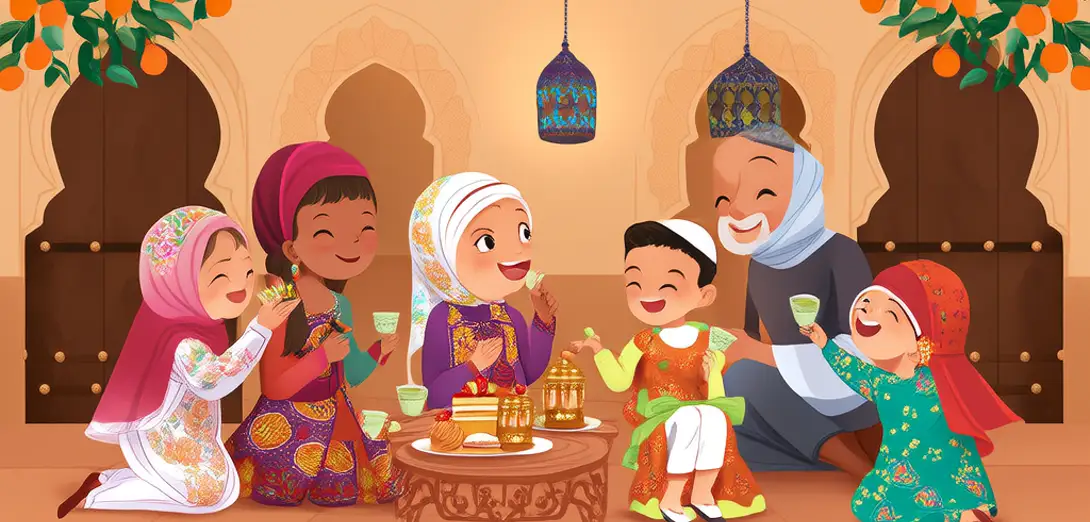
Morocco’s Eid al-Fitr: Community, Charity, and Culinary Tradition
摩洛哥开斋节:社群、慈善与饮食传统
-
Eid al-Fitr marks the end of Ramadan, a month-long fast observed from dawn until sunset.开斋节标志着为期一个月的斋月结束,穆斯林每日从黎明至日落守斋。
-
Before dawn prayers, Moroccans give zakat al-fitr—a fixed amount of food or money—to support the poor.晨礼前,摩洛哥人会缴纳开斋捐(宰卡特·菲特尔),即定量的食物或现金,以帮助穷人。
-
Families wear new clothes, often hand-embroidered djellabas or caftans passed down for generations.家家户户穿上新衣,常是手工刺绣的杰拉巴长袍或卡夫坦长裙,代代相传。
-
Breakfast includes msemen (folded pancakes) and fresh orange juice, followed by communal lunch featuring chicken tagine.早餐吃姆塞门(折叠薄饼)和鲜榨橙汁,随后全家共进午餐,主菜多为鸡肉塔吉锅。
-
Children receive eidiya—small gifts or cash—from elders, reinforcing intergenerational bonds and generosity.孩子们从长辈那里收到‘伊迪亚’——小额礼物或压岁钱,强化代际纽带与慷慨精神。
-
Mosques host open gatherings where neighbors of all ages share dates, mint tea, and warm greetings.清真寺举办开放聚会,各年龄段邻里共享椰枣、薄荷茶和亲切问候。
-
In rural villages, women gather to bake shebbakiya—honey-dipped pastries—while singing traditional songs.乡村妇女聚在一起油炸谢巴基亚(蜂蜜浸渍酥点),边做边唱传统民歌。
-
Urban youth often film short videos of family meals to share online, blending devotion with digital connection.城市青年常拍摄家庭聚餐短视频上传网络,在虔诚中融入数字联结。
-
Unlike secular holidays, Eid begins only after moon-sighting committees confirm the new lunar month.与世俗节日不同,开斋节须待月相观测委员会确认新月出现后方始开始。
-
For Moroccan immigrants abroad, preparing tagine together becomes both comfort and quiet assertion of belonging.对海外摩洛哥移民而言,一起烹制塔吉锅既是慰藉,也是无声归属感的表达。