正在确认阅读权限…
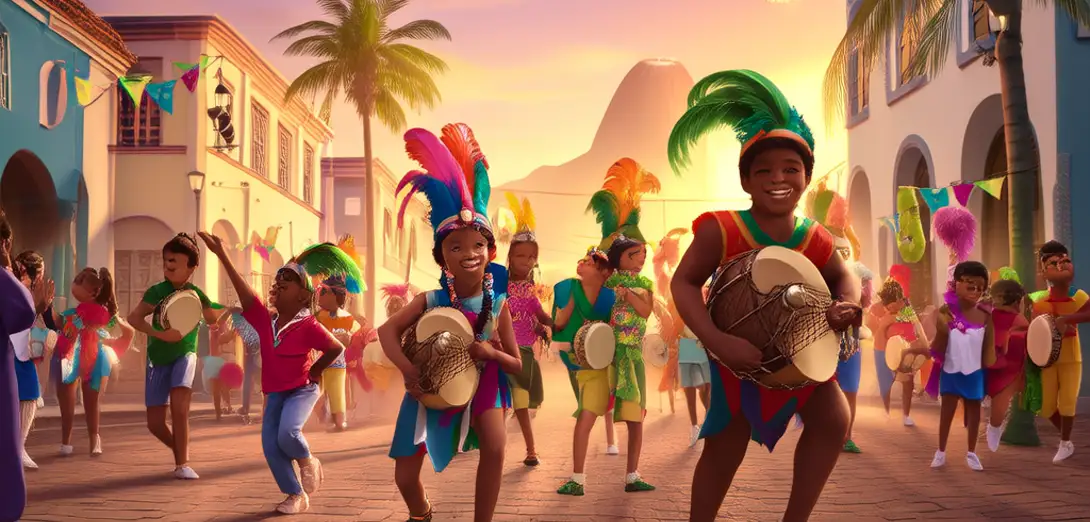
Brazil’s Carnival: Rhythm, Identity, and Social Expression
巴西狂欢节:节奏、身份与社会表达
-
Carnival in Brazil lasts four days before Lent, but preparations begin months earlier in samba schools.巴西狂欢节在大斋期前持续四天,但桑巴学校数月前便已开始筹备。
-
Each escola de samba tells a story through costumes, floats, and choreography—often addressing history, race, or ecology.每所桑巴学校都通过服装、花车和编舞讲述一个故事,主题常涉及历史、种族或生态。
-
Drumming groups called baterias create thunderous rhythms that unify thousands of dancers in real time.名为‘打击乐组’的鼓队奏出震耳欲聋的节奏,实时凝聚数千名舞者。
-
While Rio’s parade draws global tourists, Salvador’s street carnival centers Afro-Brazilian drum circles and call-and-response chants.里约的游行吸引全球游客,而萨尔瓦多的街头狂欢则以非裔巴西鼓圈和呼应式吟唱为核心。
-
Carnival allows marginalized voices—especially Black and LGBTQ+ communities—to claim public space with pride and artistry.狂欢节让边缘群体——尤其是黑人与LGBTQ+社群——得以自豪而富艺术性地占据公共空间。
-
Costumes may reference Yoruba deities, Amazonian myths, or recent social movements like #VidasNegrasImportam.服装设计可能致敬约鲁巴神祇、亚马孙神话,或近期社会运动如‘黑人的命也是命’。
-
Food stalls serve acarajé—black-eyed pea fritters—a dish rooted in West African culinary traditions.小吃摊售卖阿卡拉热——一种黑眼豆炸丸子,源自西非饮食传统。
-
Some neighborhoods organize community-led blocos to keep Carnival accessible and locally grounded.一些社区自发组织本地化‘街区游行团’,确保狂欢节亲民且扎根本土。
-
Critics argue commercialization risks diluting meaning, yet grassroots organizers insist on cultural sovereignty.批评者认为商业化可能削弱其内涵,但草根组织者坚持文化自主权。
-
To Brazilians, Carnival isn’t just fun—it’s embodied resistance, memory, and collective joy made visible.对巴西人而言,狂欢节不只是娱乐——它是具身的抵抗、记忆与可见的集体欢愉。