正在确认阅读权限…
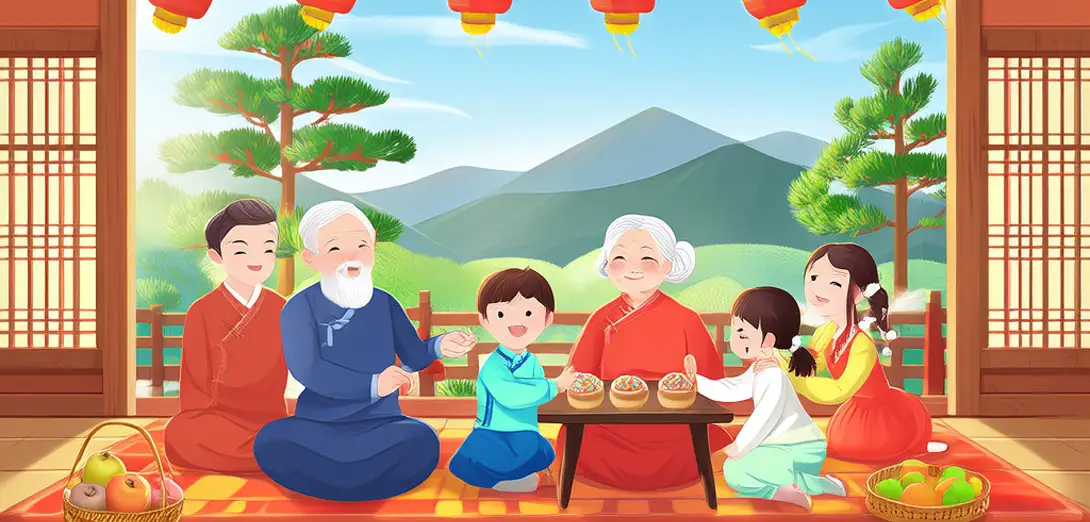
Chuseok: Korean Ancestral Gratitude and Harvest Homecoming
秋夕节:韩国的祖先感恩与丰收归乡
-
Chuseok, held on the 15th day of the eighth lunar month, is Korea’s biggest holiday—bigger than Lunar New Year for many families.秋夕在农历八月十五举行,是韩国最重要的节日——对许多家庭而言,其重要性甚至超过农历新年。
-
People travel hundreds of miles to hometowns, causing massive traffic jams known as the ‘Great Korean Migration’.人们驱车数百公里返乡,造成大规模交通拥堵,被称为“韩国大迁徙”。
-
At ancestral shrines, families perform charye—a formal rite offering freshly harvested rice, fruits, meat, and wine with deep bows.在宗祠中,家人举行茶礼:以新收的稻米、水果、肉类和酒郑重祭拜祖先,并行深鞠躬礼。
-
They also visit graves to tidy plots, trim grass, and pour wine—a ritual called seongmyo that expresses filial piety and continuity.他们还扫墓除草、敬酒,这一称作“省墓”的仪式体现孝道与家族传承。
-
Traditional games like ganggangsullae—a circle dance under the full moon—were historically performed by women to pray for abundant harvests.传统游戏如“江江水月来”(满月下围圈起舞)过去由女性表演,祈求丰收。
-
Modern youth reinterpret customs: some livestream charye for overseas relatives, while others donate rice cakes to elderly care centers.当代年轻人重新诠释习俗:有人直播茶礼让海外亲友参与,也有人将松饼捐赠给养老院。
-
Korean dramas and K-pop idols often release special Chuseok content, blending tradition with digital-age storytelling and fashion.韩剧和K-pop偶像常推出秋夕特别内容,将传统与数字时代的叙事及时尚相融合。
-
Government data shows rising participation among multicultural families, including marriage migrants from Vietnam and Uzbekistan integrating local rites.政府数据显示,多元文化家庭参与度持续上升,包括来自越南、乌兹别克斯坦的婚迁移民正融入本地礼仪。