正在确认阅读权限…
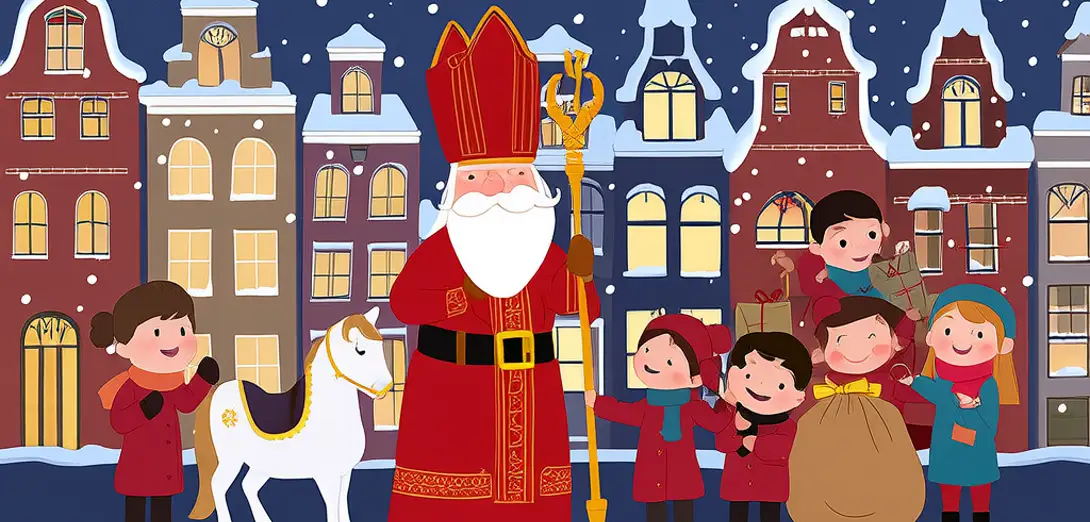
Sinterklaas: Dutch Gift-Giving Tradition and Its Evolving Role
圣尼古拉斯节:荷兰赠礼传统及其演变角色
-
On December 5th, Dutch children leave shoes by windowsills, hoping Sinterklaas—riding a white horse—will fill them with candy and poems.12月5日,荷兰孩子把鞋子放在窗台边,期盼骑白马的圣尼古拉斯给他们装满糖果和诗歌。
-
His helper, Zwarte Piet, traditionally wore blackface and carried a birch rod, sparking decades of national debate about racism and colonial memory.他的助手黑彼得传统上涂黑脸、手持桦木条,引发数十年关于种族主义与殖民记忆的全国性争论。
-
Since 2015, most towns have replaced soot-covered faces with smudged cheeks, colorful wigs, or even chimney-sweeper costumes instead.自2015年起,多数城镇改用烟灰沾染的脸颊、彩色假发,甚至烟囱清洁工造型,取代了黑脸装扮。
-
Schools now teach the figure’s origins in Saint Nicholas of Myra, a 4th-century bishop known for secret gift-giving and defending children’s rights.学校如今讲授这一形象源自公元4世纪米拉主教圣尼古拉斯,他以秘密赠礼和捍卫儿童权利著称。
-
Poems handed with gifts often gently tease behavior—not punish—and emphasize growth over shame.随礼物附赠的诗歌常温和调侃行为,而非惩罚,强调成长而非羞耻。
-
Amsterdam’s annual Sinterklaas parade draws over half a million people, but organizers now require diversity training for all participants.阿姆斯特丹一年一度的圣尼古拉斯游行吸引逾五十万人,但主办方现要求所有参与者接受多元文化培训。
-
Immigrant families adapt the custom: Moroccan-Dutch kids receive dates and mint tea; Surinamese-Dutch families bake pomtajer cake alongside pepernoten.移民家庭也调整习俗:摩洛哥裔荷兰孩子收到椰枣和薄荷茶,苏里南裔荷兰家庭则在胡椒饼之外烤制蓬塔耶尔蛋糕。
-
Psychologists praise its focus on anticipation, creativity, and oral poetry—skills that support literacy development in early childhood.心理学家称赞该传统注重期待感、创造力与口头诗歌——这些能力有助于学龄前儿童读写能力发展。